Selecting the right supermarket shelves is crucial for optimizing product display, enhancing customer experience, and ultimately driving sales. This guide will explore the various types of supermarket shelves, the factors to consider in supermarket layout, and provide a step-by-step approach to choosing the best shelving solutions for your retail space.
Types of Supermarket Shelves
Understanding the different types of supermarket shelves is the first step in making an informed decision. Each type serves a specific purpose and is designed to accommodate various products.
Gondola Shelving
Gondola shelving is perhaps the most recognizable type of supermarket shelving. Typically double-sided, it is placed in the center of the store and is ideal for displaying a wide range of products, from snacks to household items. Made primarily of steel, gondola shelves are durable and can hold significant weight, making them suitable for high-traffic areas.
Wall-Mounted Shelves
Wall-mounted shelves are designed to be placed against the walls of the supermarket. These shelves are usually one-sided and are perfect for displaying heavier items like cleaning supplies and beverages. They can be constructed from various materials, including steel and wood, depending on the desired aesthetic and functionality.
End Cap Shelves
End cap shelves are positioned at the end of aisles and serve as promotional displays for featured products. They are highly effective in attracting customer attention and can be used to showcase seasonal items or sales.
Island Shelves
Island shelves are freestanding units that can be placed anywhere in the store. They are versatile and can be used for various products, making them an excellent choice for promoting impulse buys.
Other Types
Additional types of supermarket shelves include:
Fruits & Vegetable Display Stands: Specifically designed for fresh produce, these stands enhance visibility and accessibility.
Pallet Racking: Ideal for bulk storage, pallet racks are used in backrooms or larger supermarkets to store large quantities of products.
Factors to Consider in Supermarket Layout
When designing a supermarket layout, several factors should be taken into account to ensure optimal shelving selection and customer experience:
Customer Flow: Analyze how customers navigate the store. Shelves should be arranged to guide customers through the aisles naturally.
Product Visibility: Ensure that products are easily visible and accessible. This can be achieved by strategically placing shelves at eye level and using well-lit areas.
Space Utilization: Maximize the use of available space without overcrowding. Adjustable shelves can help accommodate varying product sizes and quantities.
Safety and Accessibility: Consider the safety of the shelving units and ensure they are accessible to all customers, including those with disabilities.
Aesthetic Appeal: The design and color of shelves should align with the overall branding of the supermarket, creating a cohesive shopping experience.
How to Choose Supermarket Shelves: Step by Step
Choosing the right supermarket shelves involves a systematic approach:
Assess Your Space: Measure the available space in your supermarket, noting any architectural features that may affect shelving placement.
Identify Product Types: Determine the types of products you will be displaying. Different products may require specific shelving types (e.g., heavy items need sturdy wall-mounted shelves).
Select the Right Shelving Type: Based on your product types and space assessment, choose the appropriate shelving options. Consider gondola shelving for versatility, wall-mounted shelves for space efficiency, and end caps for promotions.
Evaluate Material Options: Choose materials that are durable and easy to maintain. Steel is commonly used for its strength, while wood can add an aesthetic appeal.
Plan for Flexibility: Opt for adjustable shelves that can be reconfigured as your product offerings change. This adaptability will save costs in the long run.
Implement Safety Features: Ensure that all shelves are stable and secure. Consider features like anti-tip brackets for taller units.
Test the Layout: Before finalizing your shelving arrangement, conduct a trial run to see how well customers navigate the space and interact with the products.
Monitor and Adjust: After implementation, continuously monitor customer behavior and sales data to make adjustments as necessary. This ongoing evaluation will help optimize the shelving layout for maximum effectiveness.
Don't miss the opportunity to transform your retail space into a shopper's paradise. Contact Heda Shelves today to learn more about our shelving solutions and how we can assist you in achieving your business goals. Together, let's create a shopping environment that not only meets but exceeds customer expectations.
The Versatility of Aerosol Products for Every Industry
Aerosol technology has revolutionized numerous sectors, becoming an essential component in industries ranging from beauty to pharmaceuticals. The beauty industry, for instance, relies heavily on aerosol formulations for hair sprays, deodorants, and body mists, offering consumers convenience and ease of application. These products not only provide a fresh look but also incorporate skin-friendly ingredients, enhancing personal care routines.
In the food industry, aerosol packaging has introduced innovative ways to deliver cooking oils, sprays, and flavored toppings. This method allows for precise application, minimizing waste while ensuring consistent flavor in every dish. The ease of use is particularly beneficial for home cooks and chefs alike, making cooking more efficient and enjoyable.
Household products also benefit from aerosol technology. Cleaning sprays and air fresheners utilize aerosol systems for effective distribution, making it easy to cover large areas with minimal effort. The convenience of ready-to-use sprays simplifies household chores, while specialized formulations target specific cleaning challenges.
The personal care sector, including items like sunscreen and insect repellent, has embraced aerosols for their portability and ease of application. These products offer consumers quick solutions for everyday needs, ensuring protection and comfort on the go.
Moreover, in the pharmaceutical industry, aerosols have made significant strides. Metered-dose inhalers for asthma patients and topical sprays for pain relief showcase the effectiveness of aerosol delivery systems. This method not only enhances patient compliance but also ensures accurate dosing, making medication administration more reliable.
To support this diverse range of applications, the demand for efficient manufacturing solutions is crucial. This is where aerosol filling machines come into play, streamlining the production process for various aerosol products. Among these, the high-speed aerosol filling machine stands out, allowing manufacturers to increase their output while maintaining high-quality standards. These advanced machines are designed to enhance operational efficiency and meet the growing demands of the market.
Lastly, aerosol technology finds its place in technical products, such as lubricants and adhesives, where precision is crucial. These products provide targeted application, reducing mess and ensuring efficiency in various applications.
In summary, the versatility of aerosol products makes them indispensable across multiple industries. Their ability to provide convenience, precision, and efficiency aligns perfectly with modern consumer needs. As technology advances, partnering with a reliable aerosol filling machine factory becomes essential for businesses looking to enhance their production capabilities. The future of aerosols promises even greater innovations, further enhancing their role in our daily lives.
Aerosol Innovation-- Precision Filling for a Greener Future
In the rapidly evolving world of aerosol manufacturing, technological advancements are pivotal in enhancing production processes and ensuring product quality. One of the most significant innovations in recent years is the bag-on-valve aerosol filling machine. This cutting-edge technology provides a superior filling method that not only protects the product from contamination but also guarantees an airtight seal, significantly extending the product's shelf life. With this method, manufacturers can offer consumers a high-quality experience, as the contents remain fresh and effective until the very last spray. This is especially important for products like cosmetics, pharmaceuticals, and household cleaners, where efficacy is crucial.

Complementing this technology is the automatic valve placer. This automated system revolutionizes the valve placement process, which traditionally relied heavily on manual labor. By integrating automation, manufacturers drastically reduce the risk of human error, increase speed, and enhance overall efficiency. This advancement leads to less downtime and more consistent production rates, allowing companies to meet rising consumer demands without compromising on quality. The precision offered by automated systems ensures that each valve is placed correctly, further minimizing the likelihood of defects in the final product.

Furthermore, the integration of an aerosol checkweigher adds another essential layer of precision to the manufacturing process. This device meticulously checks the weight of each aerosol can as it moves along the production line, ensuring that every product meets strict weight specifications. This step is crucial for quality control, as even minor discrepancies can lead to customer dissatisfaction or regulatory issues. By implementing this technology, manufacturers can quickly identify and rectify any inconsistencies, ensuring compliance with industry standards and maintaining product integrity. This process not only reduces waste but also contributes to a more sustainable approach in manufacturing.

Together, these innovations—the Bag-on-Valve technology, automatic valve placement, and precise checkweighing—create a powerful synergy that transforms the aerosol production landscape. They allow businesses to achieve the ultimate efficiency while upholding a strong commitment to quality. Additionally, the streamlined processes reduce production costs and increase profitability, making them an attractive investment for manufacturers.
As the industry continues to evolve, adopting these advanced technologies will be essential for staying competitive and meeting the changing needs of consumers. Embracing these innovations not only enhances operational efficiency but also paves the way for a more sustainable future in aerosol manufacturing. Companies that prioritize these advancements will not only improve their production capabilities but also strengthen their market position, ultimately leading to greater consumer trust and loyalty. As we look to the future, the combination of efficiency, quality, and sustainability will define success in the aerosol industry.
The Impact of High-Speed Aerosol Filling Machines on Manufacturing Efficiency
In today’s fast-paced manufacturing landscape, efficiency and precision are paramount. One innovation that has significantly transformed the industry is the aerosol filling machine. These machines not only streamline production processes but also enhance product quality and consistency.
What is an aerosol filling machine?
An aerosol filling machine is designed to fill various products, from personal care items to industrial sprays, into aerosol cans. The technology ensures that the right amount of product is dispensed every time, minimizing waste and maximizing efficiency.
The Rise of high-speed aerosol filling machines
With the increasing demand for aerosol products, manufacturers are turning to high-speed aerosol filling machines. These advanced systems are engineered for rapid production, capable of filling thousands of cans per hour. The key benefits of these machines include:
1. Increased Output: High-speed machines significantly boost production rates, meeting the demands of high-volume orders without compromising quality.
2. Enhanced Precision: Modern filling technology ensures accurate measurements, reducing the risk of overfilling or underfilling, which can lead to product wastage.
3. Automated Processes: Automation minimizes human error and allows for continuous operation, further improving efficiency.
4. Versatility: High-speed aerosol filling machines can handle a variety of products and can be easily adjusted for different can sizes and formulations.

Investing in a high-speed aerosol filling machine is a strategic move for any manufacturer looking to optimize their production process. As the market for aerosol products continues to grow, embracing innovative technologies like these will be essential for staying competitive. Whether you’re in the personal care industry or manufacturing industrial sprays, these machines are a game-changer in achieving operational excellence.
By integrating advanced aerosol filling solutions into your production line, you can ensure efficiency, precision, and quality, setting your business up for success in an ever-evolving marketplace.
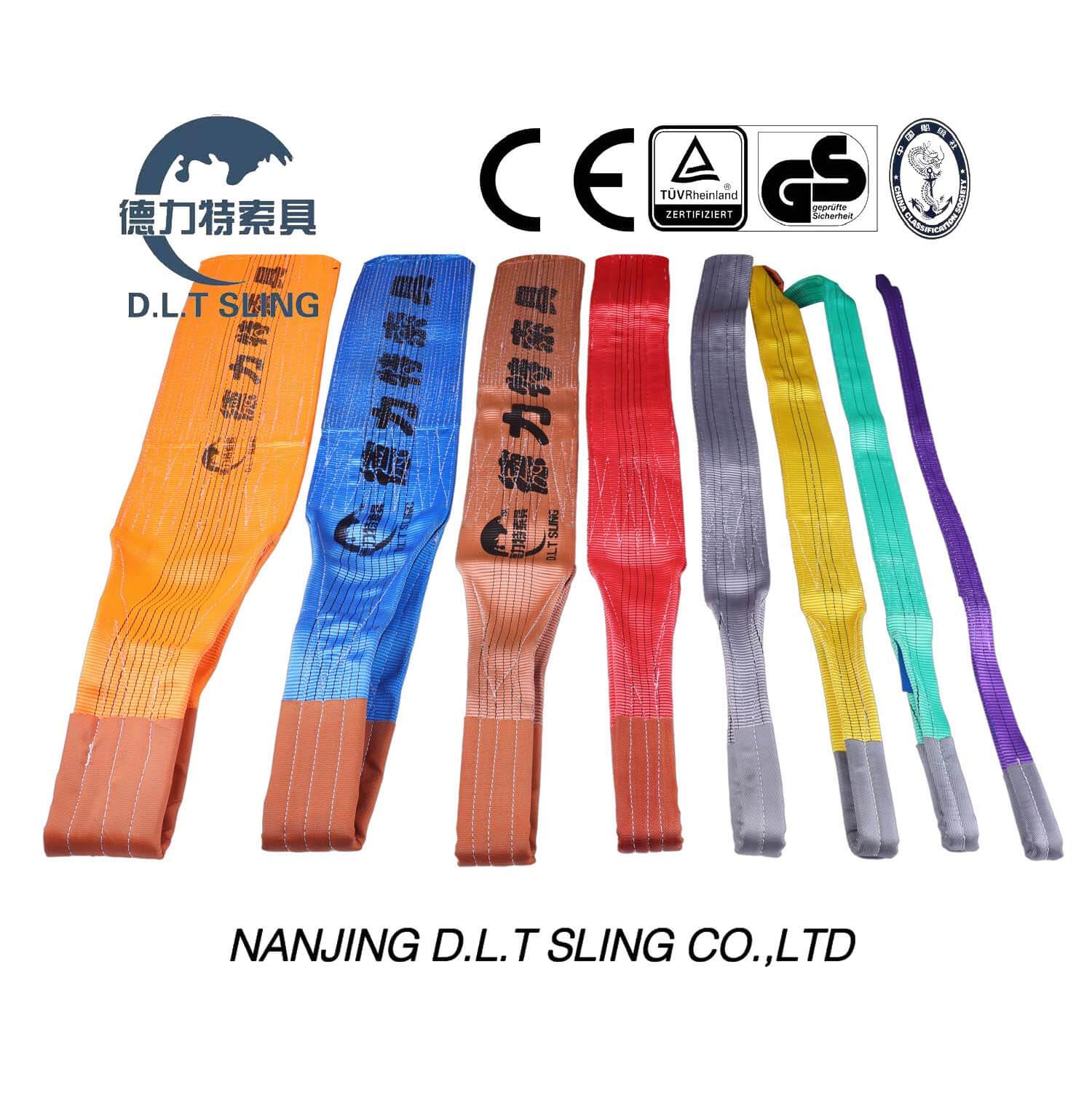
Polyester and nylon slings are two commonly used types of synthetic lifting slings in various industries. While these slings may appear similar at first glance, there are significant differences between them that affect their performance, durability, and suitability for different lifting applications. In this blog post, we will explore the key distinctions between polyester and nylon slings.
Both polyester and nylon slings offer considerable strength, but nylon slings typically have a higher load-bearing capacity. Nylon has a greater tensile strength than polyester, making it particularly suitable for heavy lifting operations. Nylon slings are often the preferred choice when working with extremely heavy loads or in demanding industrial environments.
Polyester slings are made from polyester fibers, which are known for their exceptional strength and resistance to stretching. Nylon slings, on the other hand, are constructed from nylon fibers, which exhibit high tensile strength and excellent elasticity.
One significant difference between the two sling types is their stretch and elasticity characteristics. Nylon slings have excellent stretch and elasticity, allowing them to absorb shock loads and provide an extra margin of safety during lifting. This elasticity also helps distribute the load more evenly, reducing the risk of damage to the load or the sling itself. Polyester slings, while still capable of some stretch, have less elasticity compared to nylon slings.
Polyester slings are generally more affordable than nylon slings. Additionally, polyester slings are more readily available in a wide range of sizes and configurations, making them a popular choice for many lifting applications.
Nylon slings have a higher affinity for water compared to polyester slings. Nylon fibers tend to absorb and retain moisture, which can affect their strength and dimensional stability. Polyester slings, on the other hand, are hydrophobic and do not absorb water, ensuring consistent performance in wet or humid conditions.
Polyester slings exhibit superior resistance to chemicals and ultraviolet (UV) radiation compared to nylon slings. Polyester fibers are highly resistant to degradation caused by exposure to acids, alkalis, and sunlight. This makes polyester slings more suitable for outdoor applications or environments where exposure to harsh chemicals is expected.
In conclusion, polyester and nylon slings have distinct characteristics that make them suitable for different lifting operations. Nylon slings excel in heavy-duty lifting scenarios, providing high strength, elasticity, and shock absorption. Polyester slings offer chemical and UV resistance, making them ideal for outdoor and chemically challenging environments. Consider the specific requirements of your lifting application, load weight, environmental conditions, and budget constraints when selecting between polyester and nylon slings. Consulting with lifting and rigging professionals or manufacturers can help ensure the most appropriate sling type is chosen for the task at.
The Role and Benefits of Industrial Cooling Water Chillers in Modern Industry
In today's fast-paced industrial world, maintaining the correct temperature is critical for ensuring the efficiency, safety, and longevity of machinery and processes. One essential piece of equipment that supports this need is the "industrial cooling water chiller". These systems are pivotal in a variety of sectors, from manufacturing and chemical processing to data centers and HVAC systems. In this blog, we’ll explore what industrial cooling water chillers are, how they work, their benefits, and why they are indispensable for modern industry.
What is an Industrial Cooling Water Chiller?
An industrial cooling water chiller is a sophisticated cooling system designed to lower the temperature of water used in various industrial processes. The primary function of this chiller is to remove excess heat from the water, which then circulates through different parts of a production system or machinery to absorb and carry away heat generated during operations.
The basic principle behind an industrial cooling water chiller involves a refrigeration cycle. This cycle includes the following components:
Evaporator: This is where the water to be cooled absorbs heat from the refrigerant. The refrigerant evaporates as it absorbs heat, cooling the water in the process.
Condenser: In this component, the refrigerant releases the absorbed heat to the surrounding environment, typically via a water or air-based cooling system.
Compressor: This device circulates the refrigerant between the evaporator and condenser, maintaining the flow and pressure of the refrigerant.
Expansion Valve: This regulates the refrigerant flow into the evaporator, ensuring proper pressure and temperature conditions.
How Do Industrial Cooling Water Chillers Work?
The operation of water cooled chiller starts with the water being pumped into the evaporator, where it absorbs heat from the refrigerant. As the refrigerant evaporates, the water is cooled to the desired temperature. The now warm refrigerant is then pumped to the condenser, where it releases the absorbed heat into the cooling medium (water or air). The cooled refrigerant returns to the evaporator, and the cycle repeats.
This continuous cycle ensures that the water remains at a stable temperature, which is crucial for maintaining process efficiency and equipment integrity.
Applications of Industrial Cooling Water Chillers
Water chillers are used across a broad spectrum of industries. Here are some notable applications:
1. Manufacturing: In manufacturing plants, these chillers help in cooling machinery and process fluids, which prevents overheating and ensures smooth operation.
2. Chemical Processing: They are used to control the temperature of chemical reactions, ensuring that the reactions occur within optimal temperature ranges and enhancing product quality.
3. Plastics and Extrusion: In the plastics industry, chillers are employed to cool molds and machinery, which improves product quality and reduces production time.
4. Data Centers: These chillers are crucial for cooling servers and other electronic equipment, preventing overheating and ensuring reliable operation.
5. HVAC Systems: In large commercial and industrial HVAC systems, cooling water chillers help maintain comfortable indoor temperatures by cooling the water used in the system.
Benefits of Industrial Cooling Water Chillers
1. Enhanced Efficiency: Industrial cooling water chillers provide precise temperature control, which is essential for optimizing industrial processes and improving overall efficiency.
2. Extended Equipment Life: By preventing overheating and maintaining optimal operating temperatures, these chillers help extend the lifespan of machinery and equipment, reducing maintenance and replacement costs.
3.Energy Savings: Modern industrial chillers are designed with energy efficiency in mind. They use advanced technologies and high-efficiency components to minimize energy consumption, resulting in cost savings.
4. Improved Product Quality: In many manufacturing processes, temperature control is critical for ensuring the quality and consistency of products. Chillers help maintain the required temperature, thereby improving product quality.
5. Environmental Impact: Many industrial cooling water chillers are now equipped with eco-friendly refrigerants and energy-saving features, contributing to a reduced environmental footprint.
Maintenance and Optimization
To ensure the reliable performance of industrial cooling water chillers, regular maintenance is essential. Key maintenance tasks include:
Regular Inspections: Periodic checks of the chiller’s components, such as the evaporator, condenser, and compressor, help identify and address potential issues before they escalate.
Cleaning: Keeping the condenser and evaporator clean prevents efficiency losses and extends the lifespan of the equipment.
Water Treatment: Proper treatment of the cooling water prevents scaling, corrosion, and biological growth, which can affect chiller performance.
Monitoring: Continuous monitoring of system performance helps in identifying inefficiencies and optimizing operations.
Future Trends and Innovations
The field of industrial cooling is constantly evolving, with new technologies and innovations driving improvements in efficiency and sustainability. Some notable trends include:
Advanced Control Systems: Integration of smart controls and sensors for real-time monitoring and optimization of chiller performance.
Eco-Friendly Refrigerants: Development of refrigerants with lower global warming potential to reduce the environmental impact of cooling systems.
Energy Recovery Systems: Implementation of systems that recover and reuse waste heat, improving overall energy efficiency.
High quality industrial cooling water chillers are a cornerstone of modern industrial operations, providing essential temperature control across various sectors. Their ability to enhance efficiency, extend equipment life, and improve product quality makes them indispensable for maintaining optimal operational conditions. By understanding their operation, benefits, and maintenance needs, industries can harness the full potential of these systems to achieve greater efficiency and sustainability. As technology advances, these chillers will continue to play a critical role in supporting the dynamic demands of contemporary industrial processes.
Market Applications of Circular Knitting Machines
In the modern textile industry, circular knitting machines stand out for their unique technological advantages and efficient production capabilities. These machines are playing a crucial role across multiple market sectors. Whether in sports and leisurewear, underwear and sleepwear, home textiles, or smart home and functional fabrics, these machines offer significant potential.

1. Sports and Leisurewear
- Market Background
The sports and leisurewear market has been growing rapidly, with increasing consumer demands for comfort and functionality. Sportswear needs to offer excellent elasticity and breathability, while leisurewear focuses on comfort and style.
- Technological Advantages
High Elasticity and Breathability: Automatic circular knitting machines produce fabrics with exceptional elasticity, ideal for sportswear. The knitting technology ensures that the fabric adapts to body movements, offering flexibility and comfort. Additionally, these machines create fabrics with excellent breathability, helping athletes stay dry during intense activities.
Fast Production Capability: The high efficiency of these machines significantly boosts production speed, meeting the large-scale demands of the sports and leisurewear market. This efficiency not only reduces costs but also enhances the brand’s competitiveness in the fast-fashion sector.
Versatile Design Options: Versatile circular knitting machines can create a variety of complex fabric structures and patterns, allowing designers to explore more creative possibilities in sports and leisurewear. This flexibility enriches the range of products available in the market, catering to diverse consumer preferences.
2. Underwear and Sleepwear
- Market Background
The underwear and sleepwear markets have high demands for fabric softness and comfort. Consumers seek seamless designs to avoid any discomfort and prefer fabrics that are gentle on the skin.
- Technological Advantages
Seamless Knitting: The seamless knitting technology is particularly suited for underwear and sleepwear production. By eliminating seams, this technology enhances comfort and avoids the potential discomfort caused by traditional stitching.
Soft Touch: These machines produce fabrics with an exceptionally soft touch, meeting the high standards required for underwear and sleepwear. The fine knitting process improves the wearing experience, making the fabrics more suitable for close-to-skin use.
High Quality and Consistency: The consistency in the production process ensures stable fabric quality, which is crucial for large-scale production of underwear and sleepwear. This reliability helps enhance the brand’s market reputation and customer satisfaction.
3. Home Textiles
- Market Background
The home textiles market demands high standards of fabric aesthetics and durability. Consumers are increasingly focused on the comfort, design, and long-term usability of home products.
- Technological Advantages
High-Quality Fabrics: Circular knitting machines produce fabrics with a fine texture and vibrant colors, suitable for bed linens, curtains, and sofa covers. The quality of these fabrics not only improves the appearance of home textiles but also enhances their comfort.
Production Efficiency: The high production capacity of these machines meets the large-scale demands of home textiles while maintaining high fabric quality. This efficiency supports timely delivery and strengthens the brand’s position in the market.
Environmental and Sustainability Benefits: The machine’s efficiency and low waste production align with environmental requirements, supporting sustainable development in the home textiles industry. Reducing waste in the production process meets modern consumer expectations for eco-friendly products.
4. Smart Home and Functional Fabrics
- Market Background
The market for smart home products and functional fabrics is growing, with increasing consumer demand for fabrics with specific functionalities, such as temperature control and antibacterial properties.
- Technological Advantages
Functional Fabric Production: Circular knitting machines can integrate with new functional fibers to produce fabrics with various features, such as temperature control and antibacterial properties. These functional fabrics enhance product competitiveness and expand their application in the smart home sector.
Personalized Customization: With the rise of personalized and customized demands, the flexibility of circular knitting machines allows for small-batch and customized production. Manufacturers can quickly adjust production plans to meet unique customer requirements.
Market Potential: The market potential for smart home and functional fabrics is substantial. As technology advances and consumer preferences for high-performance products grow, these machines will continue to play a significant role in these emerging sectors.
Circular knitting machines, with their unique technological advantages and wide range of applications, are becoming essential equipment in the textile industry. From sports and leisurewear, underwear and sleepwear to home textiles and smart home products, their diverse knitting capabilities and efficient production offer numerous opportunities. As technology evolves and market demands shift, these machines will continue to drive innovation and growth in the textile sector, creating new opportunities and setting trends.
The Revolution of the Single Jersey Circular Knitting Machine
In the fiercely competitive textile industry, innovation and efficiency are key drivers of business success. Representing modern textile technology, the single jersey circular knitting machine is redefining the standards of knitting production with its unique design and exceptional performance.

1. Unique Advantages
- Innovative Design, Superior Performance
This machine utilizes advanced circular knitting technology, focusing on enhancing production efficiency and fabric quality. Compared to traditional flat knitting machines, circular knitting machines significantly reduce seams, resulting in smoother and more stable fabrics. This seamless knitting technology not only improves fabric comfort but also minimizes production waste.
- High Efficiency, High Output
The machines boast excellent production capability and efficiency, capable of producing high-quality fabrics at faster speeds. Its high rotation speed and precise control system ensure stable operation of the production line, increasing hourly output and reducing production costs. This high efficiency makes it exceptionally well-suited for fast-paced market environments.
- Flexibility and Versatility
This model is suitable for various types of fibers and can produce fabrics in different specifications and styles. Whether it's lightweight sportswear or soft lingerie fabrics, this machine is up to the task. Its versatile knitting capability allows businesses to quickly respond to changing market demands, thereby enhancing market competitiveness.
2. Applications
- Sportswear Industry
In the sportswear industry, functionality and comfort are paramount. Thanks to its excellent fabric performance and comfort, this machine has become the preferred choice for sportswear manufacturers. It can produce fabrics with good elasticity and breathability, meeting the high demands of athletes for their sportswear.
- Lingerie Industry
The lingerie industry requires fabrics that are soft and comfortable. This machine can produce fabrics with a soft touch and a comfortable fit, perfectly suited for lingerie production. Additionally, its seamless knitting feature helps avoid discomfort, enhancing the wearer's experience.
- Home Textile Industry
Home textile products, such as bedding and curtains, have strict quality and appearance standards. This machine can produce fabrics that are finely textured and vividly colored, providing more design possibilities and market competitiveness for home textiles.
3. How to Choose the high-quality circular knitting machines
- Understand Your Production Needs
When selecting this machine, it is essential to first clarify your production needs, including fabric type, specifications, and production speed. Choosing the right model based on these needs can maximize production efficiency and fabric quality.
- Examine Stability and Durability
A high-quality knitting machine should have stable performance and a long service life. When purchasing, it is advisable to choose brands and models that have undergone rigorous quality control to ensure long-term stability of the equipment.
- Technical Support and After-Sales Service
Selecting a supplier with good technical support and after-sales service is crucial. A professional service team can provide timely assistance during installation, commissioning, and maintenance, ensuring smooth production operations.
This machine, with its innovative design, superior performance, and wide range of applications, is gradually becoming a vital piece of equipment in the textile industry. Whether you are producing sportswear, lingerie, or home textiles, this machine can offer you exceptional production efficiency and high-quality fabric results. Choosing the right equipment will bring competitive advantages to your business and help you achieve greater success in the market.
In the future of the textile industry, the automatic single jersey machine will continue to lead trends, drive technological advancements, and promote industry development. It’s time to update your production equipment and embrace the endless possibilities brought by this technological revolution!
Case Study: Successful Installation of a Large Paint Booth
We Guangli is excited to share some recent success cases that highlights our expertise in delivering custom big spray booths to international clients. Our client, heavy-duty equipment excavator dealership in Australia, chose our large paint booth to meet their growing spray painting needs.
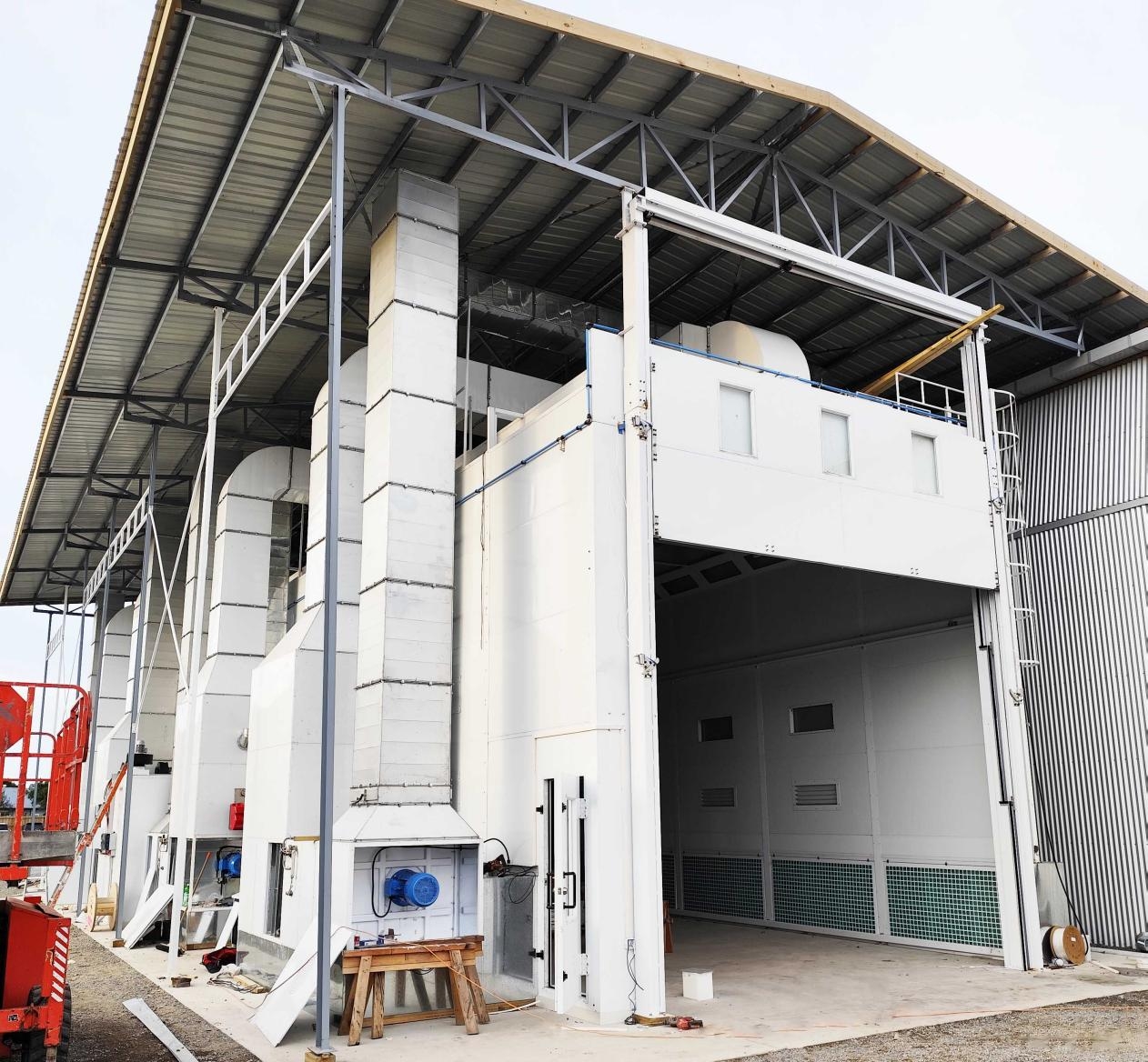
And we are also very pleased to announce the successful installation of an aircraft paint booth of aircraft for our esteemed client in Qatar. This project involved meticulous planning, precise engineering, and seamless execution to meet the high standards required for painting large aircraft. Our team worked closely with the client to customize the booth, ensuring it met their specific needs for size, efficiency, and environmental compliance.
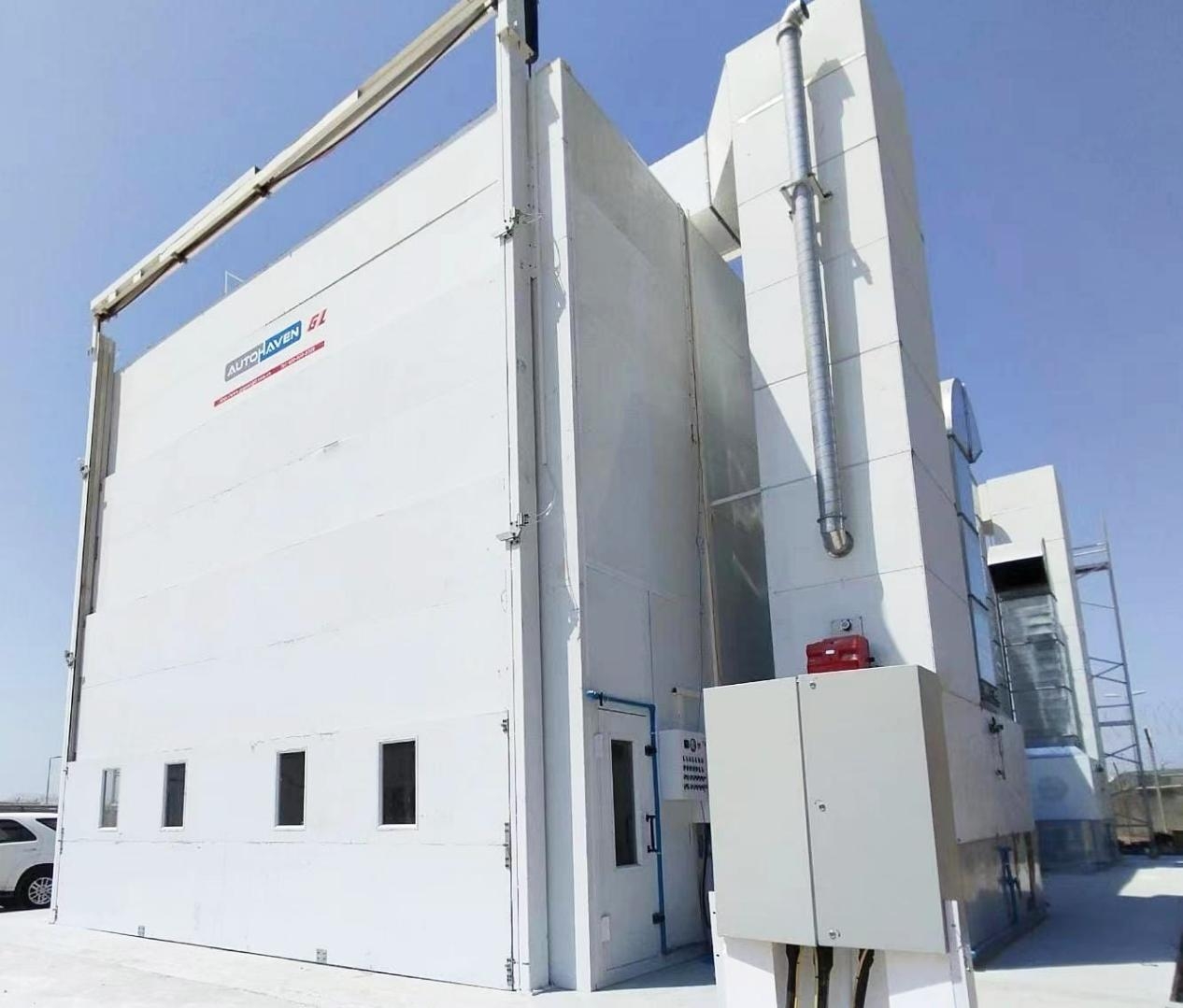
These successful installations underscores our strengths:
High-Quality Manufacturing: We focus on every detail to deliver top-notch products.
Advanced Technology and Design: Our solutions are efficient and tailored to client needs.
Comprehensive Customer Service: We support our clients at every stage, ensuring satisfaction.
Choosing us means choosing quality, efficiency, and reliability. We look forward to serving more international clients with our premium automotive paint booths.
https://www.gzguangli.com/
Contact us: sunnie@gzguangli.com.cn
Tel&WhatsApp: 008613925061383
QUMAL: Enter the “Worry-Free Era” of Industrial Cooling
In modern industrial production, the choice of cooling equipment directly impacts both efficiency and cost control. As a professional industrial chiller manufacturer, QUMAL understands this critical need and is committed to providing the highest quality solutions for our customers.

QUMAL's air cooled screw chiller stands out for its exceptional cooling performance and reliability, making it ideal for a wide range of industrial applications. Whether it's maintaining consistent temperatures in large manufacturing facilities or protecting precision equipment, QUMAL's air cooled screw chiller delivers energy-efficient, dependable service.
By choosing QUMAL, you're not just getting an industrial air cooled chiller; you're gaining a comprehensive, one-stop service experience. From initial needs analysis and custom product design to installation, commissioning, and ongoing maintenance, our team is with you every step of the way, ensuring your equipment performs reliably even in the harshest environments.
Our customers span various industrial sectors, and with our extensive experience and deep expertise, QUMAL has helped numerous companies reduce energy consumption while enhancing production efficiency. As your industrial chiller supplier, QUMAL is committed to delivering exceptional product quality and dedicated after-sales support to safeguard your operations.
Choosing QUMAL means more than just acquiring equipment—it means selecting a trustworthy partner who will help make your production more efficient, economical, and sustainable.
- Automotive Engine Rubber Parts8
- Automotive Lamps Rubber Parts5
- Automotive Suspension Rubber Parts2
- Automotive Wiring Harness Rubber Parts3
- Extrusion Sealing Strip1
- GEO8
- Industrial Electrical Rubber Parts3
- Industrial Scanners2
- Industrial electrical control3
- Industrial magnet accessories2
- Industrial slings4
- Machine Tool Blades1
- Membrane Products1
- Motor1
- Racecource Rubber Products3
- Rubber Forklift Attachments1
- Rubber and plastic Parts1
- Seal2
- Tubular Motor2
- blade1
- brush1
- chip1
- industrial hose1
- lens1
- mold1
- plc3
- pump2
- racking2