To determine if your roller shutter motor is dead, you can try the following steps:
Check the power source: Ensure that the motor is properly connected to a power source and that there is a steady supply of electricity. If the power source is not working, the motor will not be able to operate.
Test the remote control: If the remote control tubular motor is controlled by a remote control, check the batteries and try using a different remote control to make sure it's not the cause of the problem.
Check the motor fuse: If the motor fuse has blown, the motor will not be able to receive power and will not operate. Check the manual to determine the location of the fuse and replace it if necessary.
Check the wiring: Check the wiring that connects the motor to the control system and the power source to ensure that it's properly connected and not damaged.
Listen for any noise: If the motor is not working, listen for any noise that may indicate that it is receiving power but not functioning properly.
If the motor still does not work after checking these items, it may be dead and need to be replaced. In some cases, the motor may be repairable, but it's recommended to consult a professional for a proper diagnosis and repair.
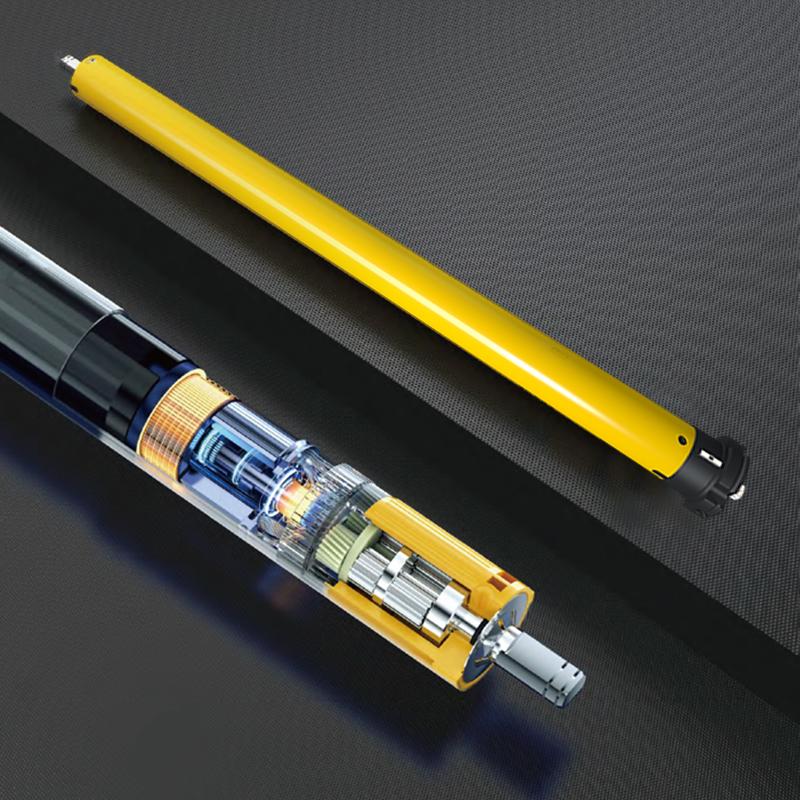
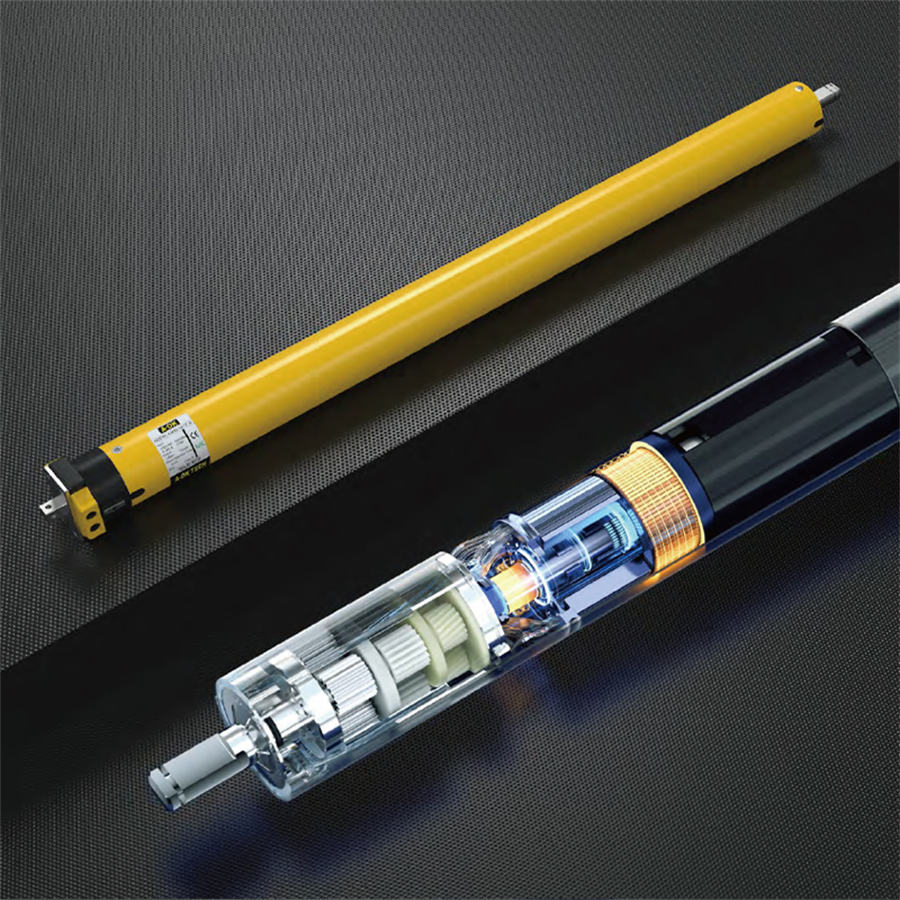
The electric roller blind tubular motor is a motor that can drive the roller blind fabric up and down. Its technical characteristics mainly include the following aspects:
1. Motor structure: The electric roller blind tubular motor adopts a cylindrical structure, and is equipped with components such as a motor, a reducer and a control circuit inside, which can realize precise control and roller blind operation.
2. Drive mode: The electric roller blind tubular motor is usually powered by DC power supply, which can realize forward and reverse rotation and speed adjustment through the control circuit, and can also support wireless remote control and APP remote control.
3. Low noise: The electric roller blind tubular motor adopts a precise reducer structure inside, which can effectively reduce noise and make the up and down of the roller blind fabric more stable and quiet.
4. Low power consumption: The electric roller blind tubular motor adopts high-efficiency motor and control circuit, which can achieve low power consumption, and can also achieve energy saving and environmental protection through functions such as sleep mode.
5. Safety: The electric roller blind tubular motor adopts a variety of safety protection measures, such as overload protection, temperature protection and prevention of curtain jamming, etc., which can ensure the safety and stability during use.
In general, the electric roller blind tubular motor has the characteristics of low noise, low power consumption, safety, reliability, and easy control, and is a relatively advanced curtain lifting device.
What is the function of overlay welded tube sheets?
In industrial applications, corrosion resistance and structural integrity are very important, and welded overlay tube sheets have become essential components. Overlay welding also known as cladding, is a process of coating a corrosion-resistant alloy on the surface of a based materials. This technology provides an effective solution to protect the tube sheet from the impact of corrosive environments and extends its service life. And it can greatly reduce costs.
The main purpose of overlay welding tube sheets is to improve the performance and durability of heat exchangers, boilers, and other equipment using tube sheets. The following are some main advantages and precautions related to overlay welded tube sheets:

Corrosion Resistance:
By cladding a layer of corrosion-resistant alloy to the tube sheet's surface, the weld overlay layer protects against corrosion caused by corrosive fluids, high temperatures, or harsh operating conditions. This corrosion resistance helps to minimize maintenance requirements and maximizes the service life of the equipment. Common corrosion-resistant overlay metals include copper, titanium, nickel, cobalt based alloys, and austenitic stainless steel. For example, stainless steel overlay welding is used on the inner walls of petrochemical containers. When welding, workers should pay attention to the dilution rate of the based plate on the welding layer to ensure the alloy content required for corrosion resistance of the welding layer.
Material Compatibility:
Weld overlay tube sheets allow for the selection of different materials for the base material and the cladding layer. This flexibility enables the use of cost-effective base materials while ensuring optimal corrosion resistance and compatibility with the process fluids or gases. The chemical composition of the welding material should be similar as the base materials to ensure that the welding layer has good corrosion resistance and wear resistance. The welding material should have sufficient strength and toughness to ensure the structural performance and durability of the welding layer. The overlay welding material should have good welding performance, including melting point, fluidity, wettability, etc. The welding material should have good crack resistance to ensure that the welding layer will not crack due to vibration and deformation during operation. The welding material should have a certain degree of wear resistance to ensure that the welding layer does not excessively wear during operation.
Enhanced Strength and Integrity:
Weld overlay also improves the mechanical properties of forged tube sheet, including strength and toughness. It has higher hardness and wear resistance, and can withstand longer periods of wear and impact. The cladding layer adds an extra level of protection and reinforcement to the base material, reducing the risk of failure or leakage during operation.
Customization and Precision:
Weld overlay tube sheets can be tailored to specific project requirements, such as the size and pattern of the tube holes, the thickness and composition of the cladding layer, and the welding techniques used. This customization allows for precise fitting and dependable performance in various applications.
When selecting weld overlay tube sheets, several factors should be considered:
1.Corrosion Environment: Assess the nature of the operating environment, including the temperature, pressure, and the types of fluids or gases being processed. This information helps determine the appropriate corrosion-resistant alloy for the cladding layer.
2. Base Material Compatibility: Consider the compatibility between the base material and the cladding layer to ensure optimal bonding and long-term performance.
3. Cladding Thickness: Determine the appropriate thickness of the cladding layer based on the severity of the corrosion environment and the desired service life of the equipment.
4. Manufacturing Standards: Verify that the weld overlay tube sheets comply with relevant industry standards and quality assurance processes to ensure their reliability and performance.
In summary, weld overlay tube sheets play a crucial role in enhancing the corrosion resistance and durability of heat exchangers, boilers, and other equipment. The careful selection of materials, customization options, and adherence to manufacturing standards are key considerations when choosing weld overlay tube sheets for optimal performance and long-term reliability. https://www.wuxichangrun.com/
When purchasing tube sheets, careful consideration and comparison should be made to ensure the selection of the correct product for the intended application. Whether used in heat exchangers, boilers, or pressure vessels, tube sheets play a crucial role in the overall performance and efficiency of equipment. The following are some important factors to consider when selecting the appropriate tube sheet:

Material Selection:
The material of the tube sheet should be compatible with the fluid or gas flowing through the pipeline. Factors such as corrosion resistance, thermal conductivity, and mechanical properties should be considered. Common materials used for tube sheets include carbon steel, stainless steel, copper alloys, nickel alloys, aluminum alloys, and titanium.
Tube Arrangement:
The tube sheet design should accommodate the desired tube arrangement, whether it's a triangular, square, or staggered pattern. The number and size of tube holes should be carefully specified to ensure proper tube fit and alignment.

Thickness and Strength:
The tube sheet should have adequate thickness and strength to withstand the operating conditions and pressures within the equipment. The required thickness should be determined according to engineering calculations and standards, based on diameter, material, and pressure ratings.
Weldability:
If it is necessary to connect the tubes to the tube sheets by welding, the material should have good weldability. Some materials may require preheating or post weld heat treatment to maintain the integrity of the joint.

Cladding or Coating:
In applications where corrosion resistance is crucial, in order to reduce the use of high corrosion-resistant materials for the whole tube sheet, the tube sheet can be coated or clad with a higher alloy material. This provides effective protection against corrosive fluids or environments and extends the service life of the tube plate. The materials used for coatings usually include stainless steel, nickel, titanium, etc.

Quality Assurance:
It is important to purchase tube sheets from reputable manufacturers or suppliers who comply with industry standards and quality control processes. Wuxi Changrun has 30 years of production experience and supply flanges, tube sheets, for well-known petrochemical industry giants in various countries, including PetroChina and Sinopec, BASF, Bayer, Chevron, Mobil, etc.
Customization:
In some cases, it may be necessary to customize the designed tube plate to meet specific project requirements. Collaborating with experienced engineers and manufacturers can help design and manufacture customized tube sheets. Wuxi Changrun has a professional team of engineers and technicians who can manufacture customized products according to customer needs.
It is recommended to consult with industry experts, engineering consultants, or equipment manufacturers to ensure that the selected forged tube sheet meets the desired performance and longevity requirements. By considering these factors, the right tube sheet can be chosen to enhance the overall efficiency and reliability of the equipment in which it is used. Get more details from www.wuxichangrun.com.
A stepper motor is an electromechanical device that converts electrical pulses into precise mechanical motion. It is designed to move in discrete steps, hence the name "stepper" motor. Unlike conventional motors that rotate continuously, stepper motors rotate incrementally, typically in steps of 1.8 degrees (for a motor with 200 steps per revolution).
The basic construction of a stepper motor consists of multiple toothed electromagnets arranged around a central rotor. The rotor is typically made up of a permanent magnet or a soft magnetic material. The number of teeth on the rotor is usually a multiple of the number of electromagnets surrounding it.
Stepper motors require a specialized driver circuit to control their motion. This driver circuit delivers precise sequences of electrical pulses to the motor windings, which in turn produce the rotational movement.
The most common types of stepper motors are bipolar and unipolar motors:
1. Bipolar Stepper Motor: A bipolar stepper motor has two windings or phases, and each phase can be controlled independently. The windings have a center tap, and the motor can have either four or eight leads. Bipolar motors provide more torque compared to unipolar motors but require more complex driver circuits.
2. Unipolar Stepper Motor: A unipolar stepper motor has multiple windings with a center tap for each phase. The windings are typically energized in a specific sequence to create the steps. Unipolar motors are easier to control but generally provide less torque than bipolar motors.
To rotate the stepper motor, the driver circuit applies voltage or current to the motor windings in a specific sequence. The most common sequence is known as "wave drive" or "one-phase on." In this mode, the driver energizes one phase at a time and steps through the phases in a cyclic manner to rotate the motor.
More advanced driving techniques, such as "full step," "half-step," or "microstepping," can be used to achieve smoother motion or finer positioning. These techniques involve different energization patterns for the motor windings, which divide a full step into smaller increments.
Keli motor as one of the largest micro motor R&D, manufacturers, and exporters in China,we mainly supply shaded pole motor, stepper motor, DC brushless motor,etc.
Accommodating Flexible impeller pumps really are a pump motor style which is made up of circular rubberized impeller installed within a housing.
The casing is small compared to the unbent silicone vanes making sure the silicone vanes make get in touch with within the whole casing creating small chambers. The chambers work comparable to valves, making the water pump an optimistic displacement water pump and self-priming.
The impeller is mounted within the casing in such a way that the vanes bend at different angles depending on where they are located in relation to the inlet and outlet of the Industrial pump.
Flexible Impeller Offers The Following Advantages
Self-prime from dry
High capacity as can operate at full motor speed with low viscosity fluids
Versatile - can be run at different speeds to accommodate differing viscosities.
Gentle pumping action ensuring the consistency of the fluid remains unaffected by low shear forces e.g. milk, cream, thixotropic fluids.
Easy Maintenance due to few moving parts
Solid Handling capability
Cleaning in Place friendly
Reversible to enable multiple applications including tank loading and unloading
Accessories available include carry handle, variable speed drive, trolley
How do they work?
Flexible impeller pumps use a motor to rotate an impeller with flexible blades in a sealed head.
Although the impeller is round, the body is not. There's a flat spot inside the pump head at the top. This flat spot causes the impeller blades to alternately compress and relax. When the blades reach the flat spot they compress and push liquid out. When the impeller blades relax the pump head sucks liquid in. This compression/expansion cycle happens very rapidly, hundreds of times or more per minute. This produces a smooth, steady flow. If you are more of a visual learner you can watch this video from Jabsco that shows a catflo marine flexible impeller pump in action.
CATFLO Self-priming electric water pumps with selflubricating flexible impeller for prolonged service life and better performance.
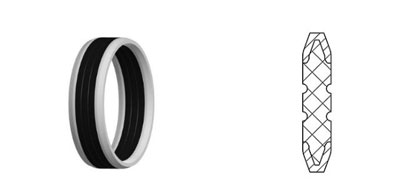
JST’s metal end cap seal is a customized elastomer-to-metal seal that combines the advantages of metal-on-metal components with the flexibility of elastomeric seals for maximum extrusion resistance in high-pressure wellhead sealing environments.
These high performance elastomer-to-metal bonded sealing elements provide the high level of extrusion resistance necessary for high pressure casing and tubing applications.
jst-seals can provide customized sealing solutions to meet specific oilfield requirements, including Rapid Gas Decompression (RGD) and acid gas resistant elastomers with corrosion-resistant metal end caps.
Sealing is achieved by controlled deformation of elastic elements, which compensates for poor internal surface finish of pipes and casings. Optimal stress distribution throughout the elastomer is modeled via Finite Element Analysis (FEA) to ensure high performance sealing and long life cycle. Extrusion resistance is provided by the specially designed end caps that provide positive interference with the bore upon assembly and that deform into any potential extrusion gap under pressure.
Applications
• High pressure wellhead sealing environments, such as casing strings and tubing hangers.
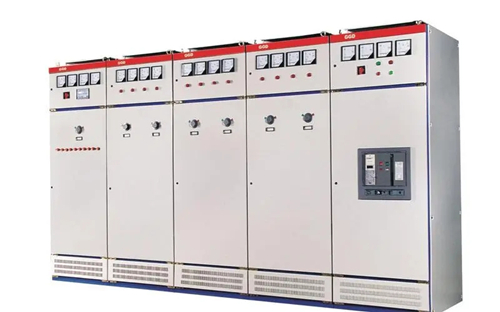
What is low-voltage metal-enclosed switchgear?
Definition of it
It is a three-phase power distribution product designed to safely, efficiently and reliably supply electric power at voltages up to 1,000 volts and current up to 6,000 amps.
Product introduction
Low voltage switchgear is suitable for power plants, petroleum, chemical, metallurgy, textile, high-rise buildings and other industries, as well as for power transmission, distribution and energy conversion. The product complies with the standard of low voltage switchgear. Low voltage switchgear belongs to the products listed in the catalogue of compulsory certification products for 3C certification.
Main model
1. GCS low-voltage draw out switch cabinet
2. GCS low voltage switchgear
3. GCK with drawable switch cabinet
4. GGD low voltage fixed switch cabinet
5. Assembled low-voltage switchgear
6. MNS low-voltage draw out switch cabinet
7. MS low voltage draw out switch cabinet
8. GCS low-voltage draw out switch cabinet
9. Mnsqh with drawable low voltage switchgear
10. GCS low voltage draw out switch cabinet GCK (L) low voltage switch cabinet
Basic parameters
1. Rated insulation voltage: 690V
2. Rated working voltage: 380V, 660V
3. Rated frequency: 50Hz
4. Rated working current:
Rated current of horizontal bus: 630-6300a
Rated current of vertical bus 630-1600a
5. Rated short-time withstand current
Rated peak withstand current (is) 30-80ka
Rated short-time withstand current (is) 30-80ka
6. Rated withstand peak current
Horizontal bus (main bus) 63-176ka
Vertical bus (branch bus) 63-176ka
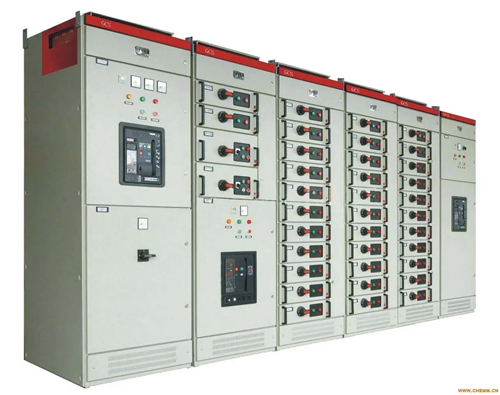
Usage condition
1. The ambient air temperature shall not exceed + 40 ℃ and not be lower than - 5 ℃, and the average temperature within 24h shall not exceed + 35 ℃.
2. The air shall be clean. When the maximum temperature is + 40 ℃, the relative humidity shall not exceed 50%. When the temperature is lower, a larger relative humidity is allowed.
Drawer type low voltage switchgear
Drawer type low voltage switchgear
3. Pollution level: Level 3.
4. The elevation of the installation site shall not exceed 2000m.
5. Special use conditions shall be negotiated separately when ordering.
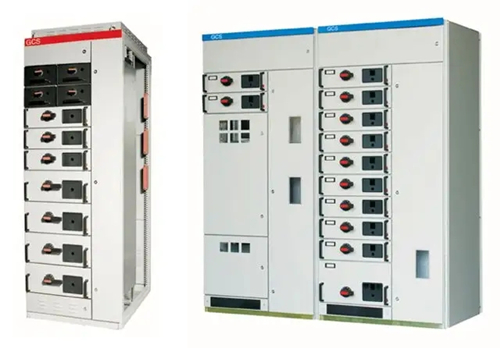
Performance characteristics
1. Reasonable design: carry out unit design according to the characteristics of various switches and combine the functional units;
2. General structure and flexible assembly: C-shaped profiles meet the requirements of various structural forms, i-protection grade and use surrounding conditions;
3. Standard module · it can be used to form protection, operation, conversion, control and other standard units, and the module structure can be arbitrarily selected;
4. Safety protection: adopt the isolation between regions and the mutual isolation between the incoming and outgoing lines of functional units to effectively strengthen the safety protection performance;
5. Technical parameters: the main technical parameters are at the international leading level.
Understanding the Basics of Pallet Rack System Design
Designing a pallet rack system for a warehouse requires a few basic planning steps to ensure you’ll have a safe, efficient and well-organized storage space that will be a valuable asset to your business for years to come. The type and quantity of goods you will be storing, their weight and size, the available space in your warehouse, and future needs of your business are all crucial factors to consider.
Consideration of Space and Accessibility
The size of the system should fit into the available space, considering the aisle width, clearance height and frequency of access. If frequent access to the goods is needed, a system with good visibility is essential. You may also want to consider a system that allows for easy picking and loading like selective pallet.
Budgeting and Maintenance
The cost of the system will vary depending on its type, size, and required features. Choose a pallet rack system that’s easy to maintain and repair to help reduce your long-term costs.
Designing Your Pallet Rack System: A Step-by-Step Guide
Once you’ve considered these factors, you can begin to design your pallet rack system. Here are some steps to follow:
- Measure the available space in your warehouse. This includes the length, width, and height of the space. Don't forget to consider the location of any doors, windows, and other obstructions.
- Determine the type of pallet rack system you need. There are many different types of pallet rack systems available. Common types include selective pallet rack systems, drive-in pallet rack systems, push-back pallet rack systems, and pallet flow rack systems.
- Design the layout. This includes determining the number of rows and columns of racks, as well as the aisle width and clearance height. You should also consider the location of the loading and unloading areas.
- Choose the right pallet racks and accessories. There are a variety of different racks and accessories available, so it is important to choose the ones that are right for your needs. Common selective pallet rack accessories include wire decking, beam guards, and pallet stops.
- Get your pallet rack system installed by a professional. Pallet rack systems are complex structures, so it is important to have them installed by a professional. A professional installer will ensure that the system is installed correctly and safely.
Compliance and Safety
Make sure your new system is compliant with all local and federal regulations. Familiarize yourself with local building codes and safety regulations to make sure your system adheres to all the standards. Safety is paramount when designing a visonstorage pallet rack system, and adherence to regulations and manufacturer guidelines is essential.
What We Can Help
Proper installation and maintenance are key to a successful and safe pallet rack system in your warehouse. If you’re uncertain about any aspect of the design, consult with a professional engineer or a pallet rack system specialist to ensure safety and compliance. Vison Storage can help you every step of the way from analyzing your products, analyzing your space, recommending a storage system that is right for your needs. Providing a rack layout that meets fits your space. Providing a price quotation that includes materials, freight and installation cost. We can manufacture your racks, ship your racks, install your racks and provide PE stamped drawings needed for permitting.
EPDM rubber footrest covers are essential for any motorcycle enthusiast looking to improve their riding experience. Not only do these covers enhance comfort and reduce fatigue, but they also provide traction, preventing your feet from slipping. In this blog post, we’ll share some valuable tips and tricks to help you make the most of your EPDM rubber footrest cover.
1. Choose the Right Size and Shape
EPDM rubber footrest covers come in various sizes and shapes to fit different motorcycle models. Before purchasing, ensure you have the correct measurements. Measure your footrests carefully to guarantee a perfect fit. Additionally, consider the shape of the cover. Some have a flat surface, while others have ridges or patterns that provide better grip. Choose the one that suits your riding style and preferences.
2. Install Properly
Proper installation is crucial for the longevity and effectiveness of your footrest cover. Clean your footrests thoroughly to remove any dirt or debris. Then, carefully apply the cover, ensuring it aligns with the footrest’s edges. A secure installation prevents any unwanted movement during your rides.
3. Regular Cleaning and Maintenance
To keep your EPDM rubber footrest cover in top condition, regular cleaning and maintenance are necessary. Clean the cover using mild soap and water, and avoid using abrasive chemicals that may damage the rubber. Dry the cover thoroughly before reinstallation. Regular maintenance will extend the lifespan of your rubber cover and ensure optimal performance.
4. Check for Wear and Tear
Periodically inspect your footrest cover for any signs of wear and tear. Look out for cracks, tears, or thinning of the rubber. If you notice any damage, it’s time to replace the cover. Riding with a damaged footrest cover can compromise your safety and diminish its functionality.
5. Store in a Safe Place
When your motorcycle is not in use, make sure to store it in a safe place, away from direct sunlight and extreme temperatures. Prolonged exposure to harsh weather conditions can degrade the quality of the EPDM rubber. Storing the bike undercover or in a garage will help preserve the footrest cover’s performance and durability.
6. Upgrade for Style and Customization
EPDM rubber footrest covers come in various colors and designs. Consider upgrading to a customized cover that matches your motorcycle’s aesthetics or adds a personal touch. Not only will this enhance the visual appeal of your bike, but it will also make your riding experience more enjoyable.
By following these tips and tricks, you can maximize the benefits of your EPDM rubber footrest cover. Enjoy greater comfort, improved grip, and enhanced safety during your motorcycle adventures. Ride on with confidence, knowing that your footrests are protected and optimized for an amazing journey!
- Automotive Engine Rubber Parts8
- Automotive Lamps Rubber Parts5
- Automotive Suspension Rubber Parts2
- Automotive Wiring Harness Rubber Parts3
- Extrusion Sealing Strip1
- GEO8
- Industrial Electrical Rubber Parts3
- Industrial Scanners2
- Industrial electrical control3
- Industrial magnet accessories2
- Industrial slings4
- Machine Tool Blades1
- Membrane Products1
- Motor1
- Racecource Rubber Products3
- Rubber Forklift Attachments1
- Rubber and plastic Parts1
- Seal2
- Tubular Motor2
- blade1
- brush1
- chip1
- industrial hose1
- lens1
- mold1
- plc3
- pump2
- racking2