High performance neodymium magnets play a crucial role in modern navigation technology, contributing to the accuracy, reliability, and efficiency of various navigational systems. As one of the strongest types of permanent magnets available, they are widely used in compasses, GPS systems, and advanced navigation technologies utilized in aerospace, marine, and automotive industries.

Enhancing Magnetic Compasses
Traditional compasses rely on Earth's magnetic field to provide directional guidance. Neodymium magnets, due to their strong and stable magnetic properties, enhance the sensitivity and durability of modern magnetic compasses. These magnets ensure higher precision and long-term reliability, making them indispensable in critical applications such as aviation and maritime navigation, where accuracy is paramount.
Supporting Inertial Navigation Systems (INS)
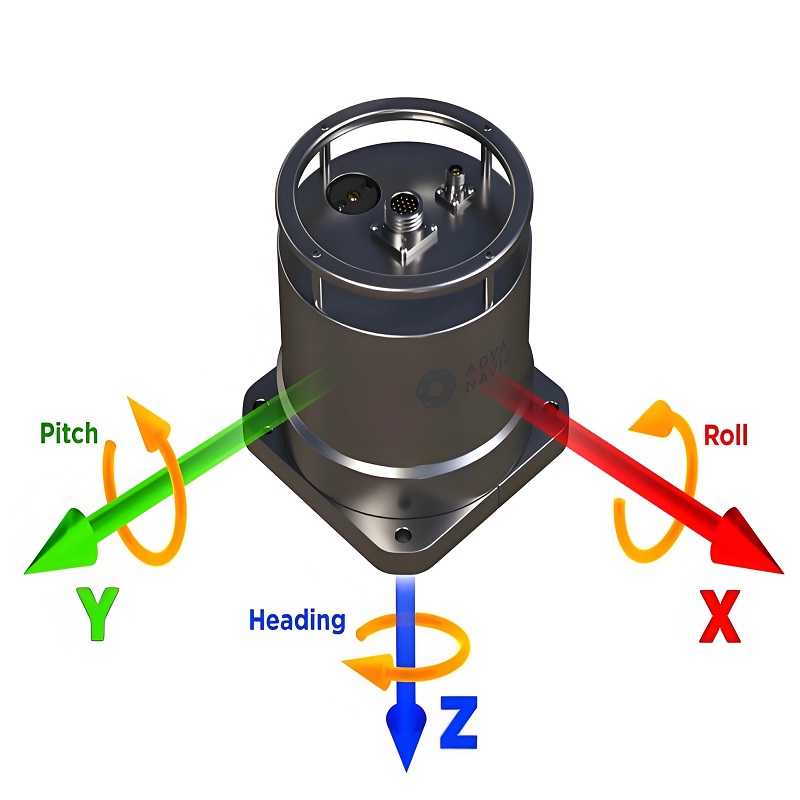
Inertial navigation systems (INS) rely on gyroscopes and accelerometers to determine position and movement without external references. Small powerful neodymium magnets are commonly used in high-performance gyroscopes and magnetometers, which are integral to INS. Their strong magnetic properties contribute to minimizing errors and improving the stability of navigational calculations in submarines, aircraft, and autonomous vehicles.
Advancing GPS and Satellite Navigation
Although GPS primarily relies on satellite signals, neodymium magnets play an essential role in the hardware components of GPS receivers. These magnets are used in micro-motors and actuators within satellite systems, ensuring efficient functioning of positioning and tracking equipment. Additionally, their use in sensors enhances the accuracy of GPS-based navigation, especially in remote or signal-obstructed environments.
Future Prospects in Autonomous Navigation
With the rise of autonomous vehicles, the demand for high-precision navigation systems has increased. Strong rare earth magnets are essential in LIDAR systems, motion sensors, and stabilization mechanisms, contributing to the advancement of self-driving cars and robotic navigation. Their application in these emerging technologies continues to drive innovation in navigation solutions.

In conclusion, neodymium magnets are integral to modern navigation technology, providing enhanced precision and reliability across various domains. As technological advancements continue, their role in navigation systems will only expand, shaping the future of transportation, exploration, and autonomous mobility.With ongoing innovations, the role of neodymium magnets in self-driving technology is expected to expand, further shaping the future of mobility and intelligent transportation systems.
Neodymium magnets, known for their exceptional magnetic strength, are widely used in various industries, from electronics to renewable energy. However, their mechanical properties—such as strength, brittleness, and susceptibility to damage—pose unique challenges during handling, machining, and installation. Understanding these properties is crucial for maximizing the performance and lifespan of these powerful magnets.

Neodymium Magnet Strength and Brittleness
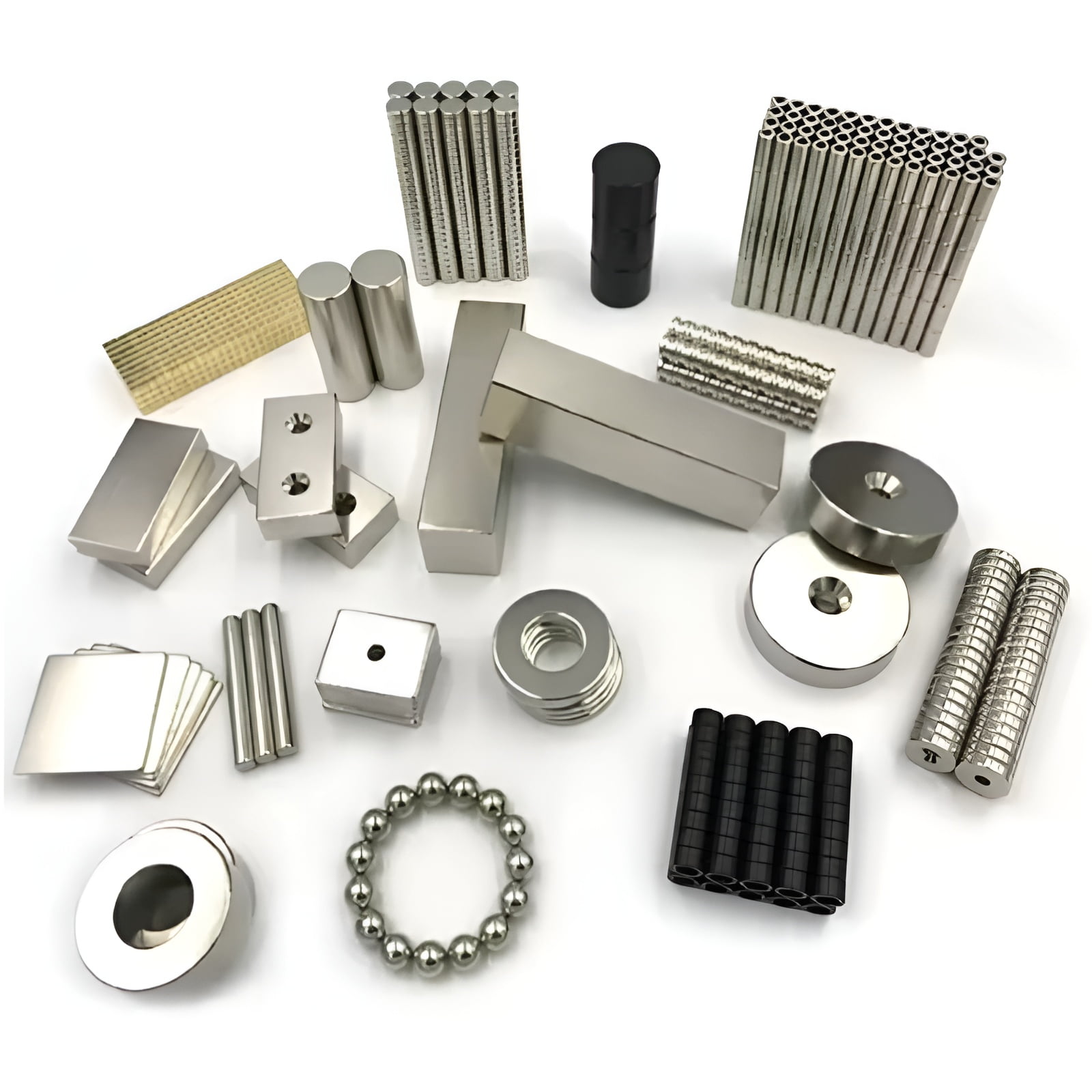
Neodymium magnets are made from a combination of neodymium, iron, and boron (NdFeB), which gives them their remarkable magnetic properties. However, this composition also makes them inherently brittle. Unlike metals such as steel, neodymium magnets lack ductility, meaning they cannot bend or deform under stress. Instead, they are prone to chipping, cracking, or shattering when subjected to mechanical impact or improper handling. This brittleness is a result of their crystalline structure, which is optimized for magnetic performance rather than mechanical durability.
Machining Challenges
Due to their brittle nature, machining neodymium industry magnets requires specialized techniques and tools. Traditional machining methods, such as cutting or drilling, can generate excessive heat and stress, leading to cracks or fractures. To avoid this, diamond-coated tools and slow-speed machining processes are often recommended. Additionally, cooling systems are used to dissipate heat and reduce the risk of thermal damage. Even with these precautions, machining neodymium magnets remains a delicate process that demands precision and expertise.
Installation and Handling Tips
The brittleness of neodymium magnets also affects their installation and handling. Here are some best practices to minimize damage:
1. Avoid Direct Impact: Dropping or striking the magnet can cause it to crack or shatter. Always handle neodymium magnets with care.
2. Use Protective Coatings: Most neodymium magnets are coated with nickel, zinc, or epoxy to protect against corrosion and mechanical damage. Ensure the coating is intact before use.
3. Proper Tools: Use non-magnetic tools during installation to prevent sudden attraction or snapping, which can damage the magnet.
4. Temperature Control: Neodymium rare earth magnets are sensitive to temperature changes. Avoid exposing them to extreme heat, which can weaken their magnetic properties and increase brittleness.
Applications and Design Considerations
Despite their mechanical limitations, neodymium magnets are indispensable in many applications, including motors, sensors, and medical devices. To overcome their brittleness, engineers often design magnet assemblies that incorporate protective housings or support structures. For example, in high-speed motors, magnets are embedded in rotor slots to prevent centrifugal forces from causing fractures.
Conclusion
While neodymium magnets are unparalleled in magnetic strength, their mechanical properties require careful consideration during machining, handling, and installation. By understanding their brittleness and adopting best practices, users can ensure the longevity and reliability of these powerful permanent ndfeb magnets. Whether you're designing a cutting-edge motor or assembling a precision sensor, respecting the mechanical limitations of neodymium magnets is key to achieving optimal performance.
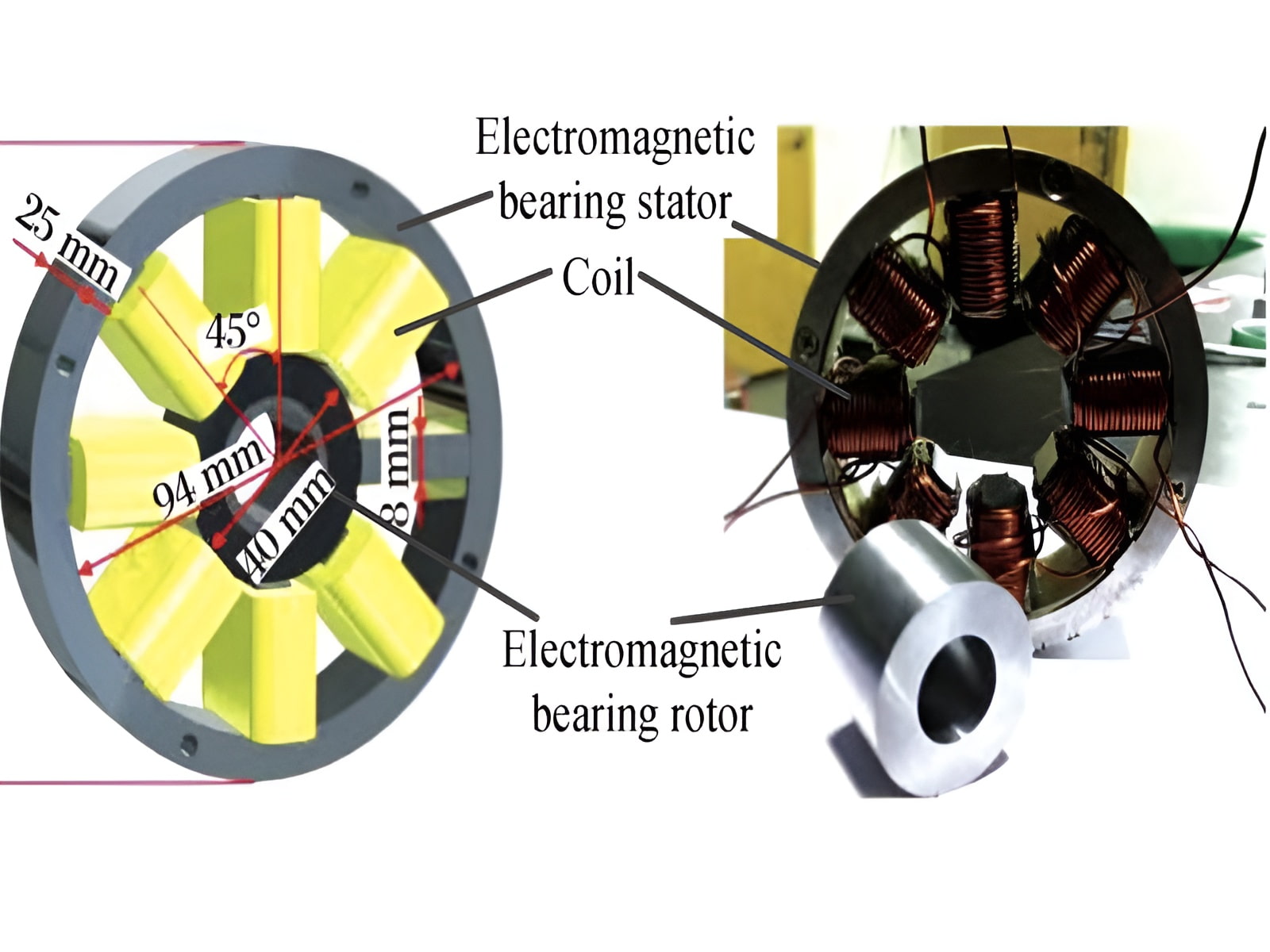
When it comes to securing and lifting heavy loads, choosing the right lifting equipment is critical. One of the most trusted and versatile tools in the lifting industry is the flat webbing sling. Widely used across construction, manufacturing, and logistics sectors, flat webbing slings offer a combination of strength, flexibility, and ease of use that makes them indispensable. In this blog, we’ll explore why flat webbing slings should be your go-to choice for safe and efficient lifting operations. What Are Flat Webbing Slings Flat webbing slings are made from synthetic fibers, usually polyester, that are woven into a flat, flexible design. The simplicity of their structure combined with the strength of the material allows them to lift loads with a high level of safety and reliability. They are typically used in a variety of lifting configurations, including vertical, choked, and basket hitches, making them adaptable to almost any lifting task. High Strength-to-Weight Ratio Durability and Long Service Life Flexible and Versatile Lightweight and Easy to Handle Applications of Flat Webbing Slings Flat webbing slings are ideal for a variety of industries and applications, including: Why Choose Us for Your Flat Webbing Slings? At NANJING D.L.T SLING, LTD 
Flat webbing slings are known for their impressive strength-to-weight ratio. Despite their lightweight design, they can support heavy loads, making them ideal for lifting large and bulky items. They are rated based on their lifting capacity, which can range from a few tons to over a hundred tons, ensuring you can find a sling that fits your needs.
Made from high-quality synthetic fibers, flat webbing slings are resistant to wear and tear, UV rays, and chemicals, ensuring a long service life. This durability translates into fewer replacements and reduced costs over time.
Unlike steel slings, flat webbing slings are flexible and can be easily manipulated to fit around odd-shaped or delicate loads. This flexibility allows you to lift a wide range of items with ease, while minimizing the risk of damaging the load.Safety and Protection
Safety is always a top priority in lifting operations. Flat webbing slings are designed to distribute weight evenly across the load, reducing the risk of slippage and preventing damage to both the load and surrounding structures. Additionally, they are often equipped with color-coded tags that indicate their capacity, ensuring you always choose the right sling for the job.
One of the standout features of flat webbing slings is their ease of use. They are lightweight, which makes them easy to handle, even in challenging environments. This also reduces the risk of injury to workers who may otherwise struggle with heavier lifting equipment.
In today’s logistics and load handling industry, safety and efficiency are the top priorities for customers. As a leading manufacturer committed to providing high-quality lifting equipment Synthetic fiber slings are lifting tools made from high molecular fiber materials. They are widely used for hoisting, transporting, and securing heavy loads. Compared to traditional steel wire rope slings, synthetic fiber slings are lighter, more flexible, and resistant to wear, offering unparalleled advantages in improving safety and efficiency during lifting operations.What are Synthetic Fiber Slings
Nanjing D.L.T Sling, Ltd.: A Commitment to Quality and Innovation

When it comes to industrial lifting, securing, and transporting heavy loads, Nanjing D.L.T Sling Co.,Ltd stands out as a reliable and trusted provider of premium slings and tie-down https://www.dlt-sling.com/products. With years of experience in manufacturing and a commitment to excellence, our https://www.dlt-sling.com/products are built to meet the highest safety standards, ensuring your operations are always secure and efficient.
Why Choose Nanjing D.L.T Sling?
At Nanjing D.L.T Sling Co.,Ltd, we understand the importance of safety, reliability, and quality. That’s why we offer a comprehensive range of https://www.dlt-sling.com/products that deliver exceptional performance under even the most demanding conditions. Here’s why our customers keep coming back:
Superior Quality and Safety
Every sling we produce is designed with safety in mind. Our slings come with a 7:1 safety factor, ensuring they exceed the safety standards needed for the toughest lifting and securing tasks. Each product is CE and GS certified, meaning they are verified for quality and compliance with international standards. You can rest assured knowing that every sling is built for maximum strength and durability.
Custom Solutions Tailored to Your Needs
We understand that no two projects are the same. That’s why we offer customized sling solutions to fit the specific needs of your business. Whether you require slings for lifting, securing, or transporting heavy equipment, we work with you to design the perfect solution that suits your load capacity, environment, and safety requirements.
Efficient Manufacturing and Quick Delivery
Our state-of-the-art manufacturing facility allows us to produce high-quality slings in large quantities without compromising on quality. We pride ourselves on our ability to meet tight deadlines and offer fast delivery to ensure that your business never experiences unnecessary delays. Whether you need a bulk order or a single custom sling, we can deliver on time and to your specifications.
Global Reach with Local Expertise
While we serve customers around the world, we understand the unique needs of different regions and industries. From construction and logistics to manufacturing and aerospace, our https://www.dlt-sling.com/products have helped businesses of all types safely lift and secure their most valuable assets. Our global presence allows us to provide localized customer service and technical support, ensuring that you always receive the best service, no matter where you are.
Our Product Range:
We offer a wide array of slings and tie-down https://www.dlt-sling.com/products to cover all your needs:
- Synthetic Fiber Slings: High-strength and lightweight, perfect for heavy-duty lifting.
- Round Slings: Ideal for delicate or irregular loads.
- High Polymer Fiber Slings: Offering superior tensile strength for high-demand applications.
- Flat Webbing Slings: Versatile and easy to use for general lifting and securing.
- Tensioners and Tie-Down Straps: Essential for securing loads during transportation.
- Custom Slings: Tailor-made solutions for your specific requirements.
Commitment to Sustainability
We believe that safety goes hand in hand with responsibility. Our https://www.dlt-sling.com/products are designed to be environmentally friendly, using sustainable materials and manufacturing processes wherever possible. As we continue to innovate, we are committed to reducing our environmental footprint while providing top-quality https://www.dlt-sling.com/products that meet the demands of a global market.
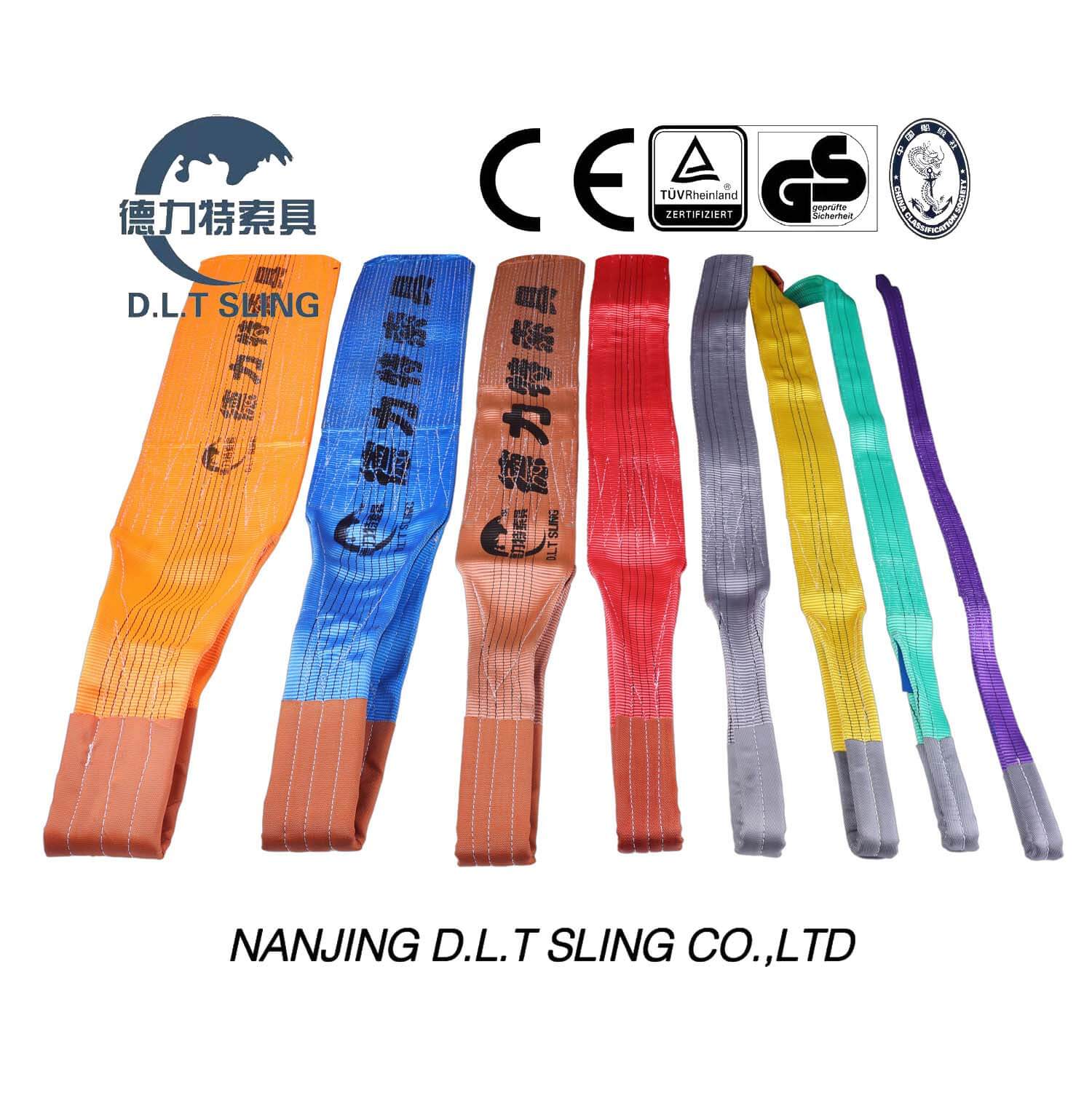
In the modern industrial world, the quality and safety of lifting equipment are always paramount. The webbing sling, a reliable lifting tool, stands out due to its unique design and excellent performance, making it an indispensable choice in various industries globally. Nanjing D.L.T Sling, Ltd. is dedicated to providing high-quality synthetic fiber slings to meet the lifting needs of everything from heavy machinery to precision equipment.
What is a Webbing Sling?
A webbing sling, commonly referred to as a synthetic fiber sling, is made from high-strength fiber materials woven together. Compared to traditional steel wire rope slings, they are lightweight, easy to handle, and highly flexible. Webbing slings are suitable for lifting operations of different capacities and are widely used in sectors such as construction, manufacturing, and energy. They help reduce the risk of damage to equipment during lifting and ensure operational safety.
Advantages of Webbing Sling
High Safety Factor
The main feature of a webbing sling is its safety factor, typically around 7:1. This ensures a safer lifting operation. Our products meet international safety standards and are CE and GS certified, ensuring that each sling delivers optimal safety performance during use.
Lightweight & Easy to Handle
Unlike steel wire ropes, webbing slings are much lighter, making them easier to handle. For lifting workers, this means they can complete tasks more efficiently in confined spaces.
High Strength Load Capacity
Our webbing slings have a maximum lifting capacity of up to 1100 tons, capable of handling heavy-duty equipment. Whether it’s a large machine or sensitive equipment, the webbing sling ensures stable lifting and reduces risks during the process.
Durability & Resistance to Wear
Made from high-quality polymer fibers, webbing slings have excellent abrasion resistance and tensile strength. They maintain high performance even in harsh working conditions, making them suitable for long-term, heavy-duty use.
Applications of Webbing Sling
Webbing slings are widely used in construction, mining, heavy machinery lifting, and logistics. These industries require lifting equipment that not only handles substantial loads but also operates with high safety standards and durability. Therefore, choosing a high-quality webbing sling is crucial to safeguarding worker safety and improving work efficiency.
How to Choose the Right Webbing Sling?
When selecting the right webbing sling, it is essential to consider factors such as load capacity, material, size, and the working environment. For different lifting tasks, it is important to choose a product with the appropriate safety factor. Nanjing D.L.T Sling, Ltd. offers a variety of webbing slings to meet all lifting needs. Our professional team provides tailored solutions based on the specific requirements of our clients.
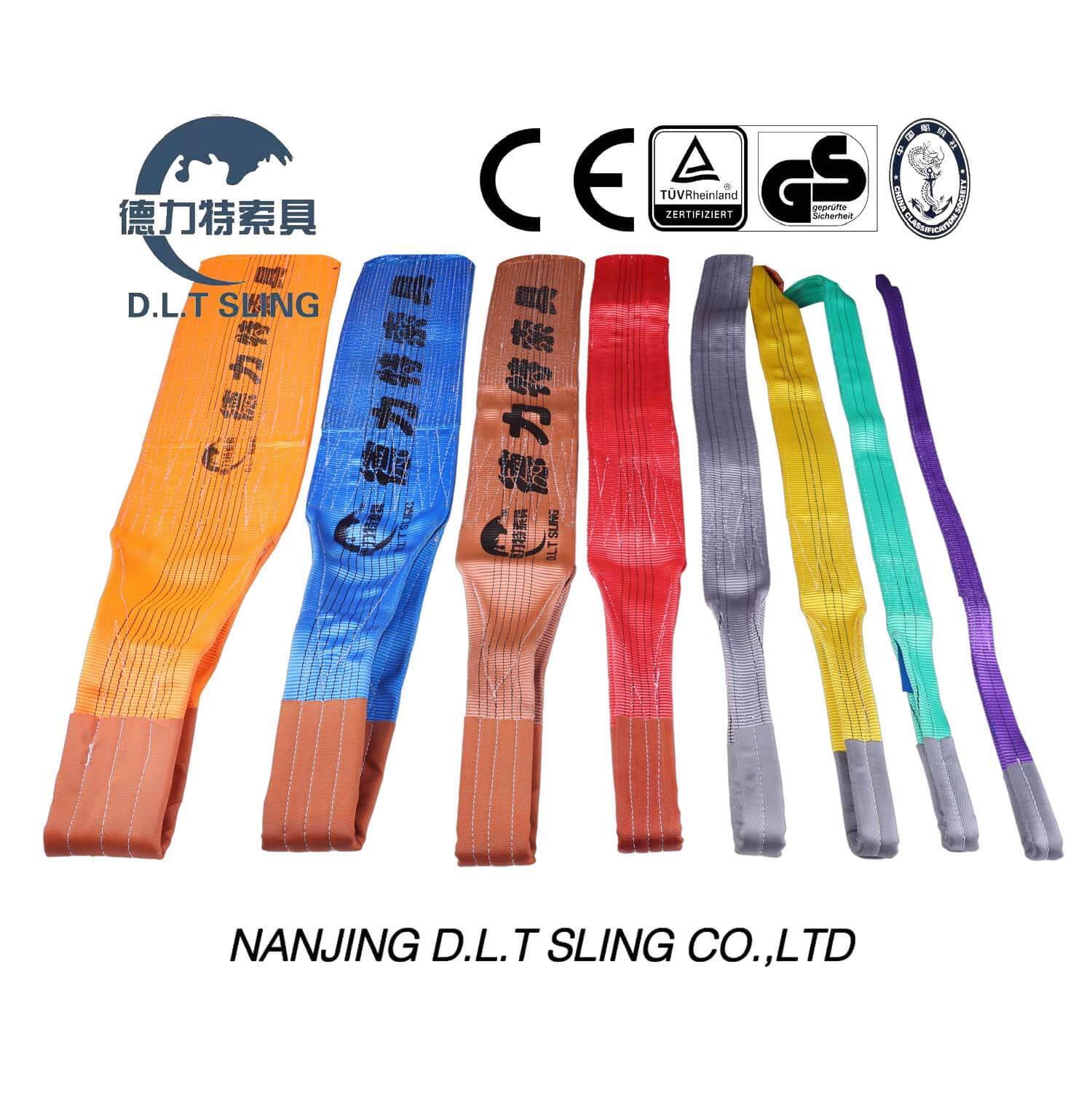
As we step into the new year, we’re excited to embrace fresh opportunities, set new goals, and continue our journey of growth and innovation. At Nanjing D.L.T Sling, Ltd Looking back at the past year, we’ve made significant strides in improving our manufacturing processes and enhancing the quality of our https://www.dlt-sling.com/products. Our commitment to excellence has allowed us to serve our clients better, meet industry standards, and earn their trust. We’ve also expanded our product range, making sure we meet the diverse needs of our customers while maintaining the high level of safety and efficiency that we’re known for. As we enter the new year, we have set ambitious yet achievable goals. One of our main objectives is to strengthen our presence in international markets and to continue building lasting relationships with our global partners. We’re focused on increasing our daily outreach, ensuring that we introduce our premium https://www.dlt-sling.com/products to more customers around the world. Additionally, we aim to improve our internal operations by embracing new technologies and streamlining our production processes. This will allow us to continue producing high-quality https://www.dlt-sling.com/products, like our heavy-duty slings At Nanjing D.L.T Sling, Ltd. Our focus on safety will remain a top priority, with a continued commitment to maintaining our CE and GS certifications, ensuring that each product we produce meets the highest safety standards. We believe that success comes from strong partnerships. Our team is excited to continue collaborating with our clients, suppliers, and partners. We value the feedback and trust of our clients and will work harder than ever to meet their needs with customized solutions and outstanding service. As we look to the future, we know that with teamwork, innovation, and dedication, we will achieve even greater success. We’re excited about the opportunities this year holds and look forward to working together to make it our best year yet! On behalf of Nanjing D.L.T Sling, Ltd.
The Basics of Neodymium Magnets
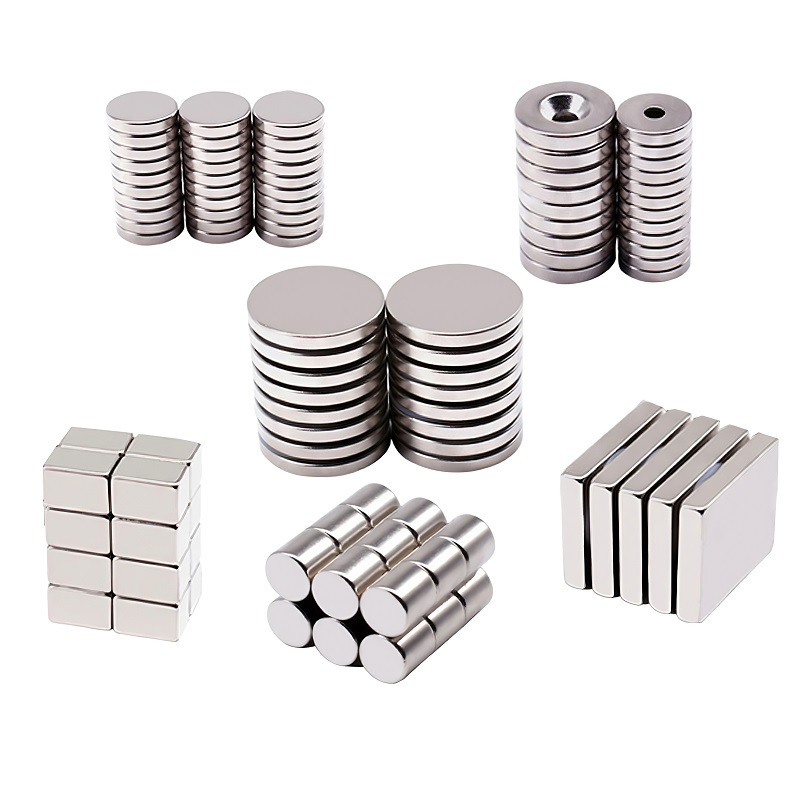
Neodymium magnets are rare-earth magnets composed of neodymium, iron, and boron, known for their exceptional strength and versatility, have a wide range of applications in modern technology. One of the lesser-known uses is in microwave ovens, where they play a critical role in improving efficiency and functionality. Good performance neodymium magnets are the strongest type of permanent magnet commercially available, offering a high magnetic field strength in a compact size. These properties make them ideal for applications where space and power are limited, such as in household appliances.
Magnets in the Magnetron
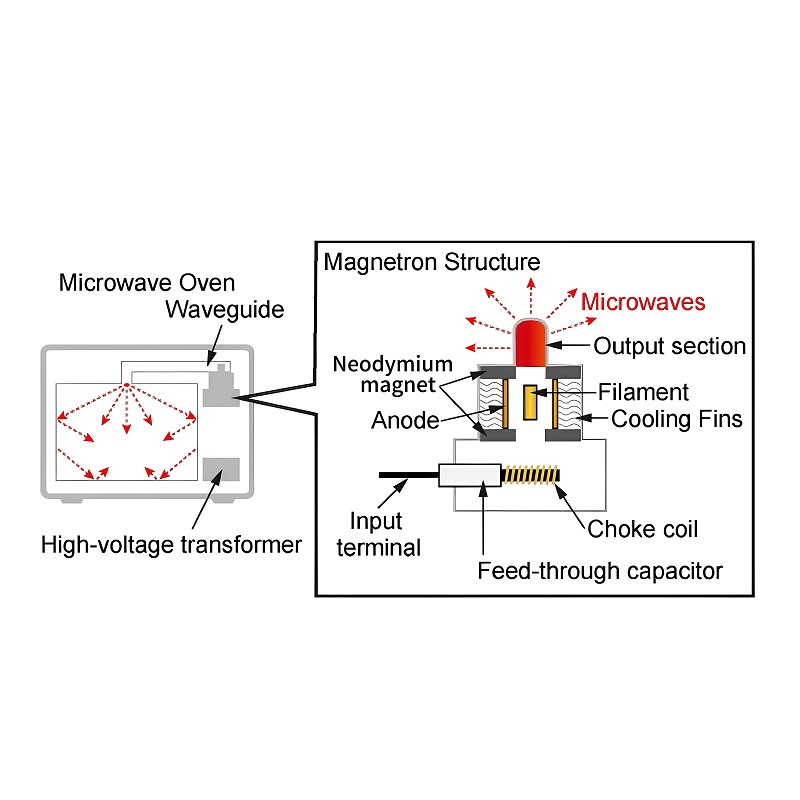
At the heart of every microwave oven is a device called a magnetron, which generates the microwave radiation used to heat food. Neodymium magnets are often used in the magnetron to direct and focus the electron stream that creates microwaves. Their strong magnetic fields ensure the electrons move in a controlled spiral pattern, producing consistent and efficient microwave energy.
Improving Efficiency and Compact Design
Using powerful rare earth magnets allows microwave manufacturers to design smaller, more energy-efficient appliances. Traditional magnets might require larger components or higher power consumption to achieve similar performance. With neodymium magnets, the compact size of the magnetron can be maintained without compromising on power, making modern microwaves more space-efficient and environmentally friendly.
Applications Beyond Heating
Some advanced microwaves incorporate additional features, such as sensors or rotors for even cooking. Small strong neodymium magnets can also be used in these components to enhance performance. For example, they might be part of a motor that drives a turntable or a sensor system that optimizes cooking times.
Conclusion
Neodymium magnets are indispensable in the design and functionality of modern microwave ovens. Their unparalleled strength and compact size enable better efficiency, enhanced performance, and innovative features. As technology continues to advance, the role of these magnets in household appliances is likely to expand further.

As wearable technology takes the world by storm, one tiny but mighty component is proving to be essential for its success: the strong neodymium magnet. Known for their incredible magnetic strength and compact size, neodymium magnets are rapidly becoming the unsung heroes behind some of the most innovative devices on the market, from smartwatches to wireless earphones.

The power of neodymium magnets lies in their ability to deliver high magnetic force without compromising on size. In a world where smaller, lighter, and more efficient devices are the goal, these magnets allow manufacturers to pack more punch into less space. For instance, in wireless earphones, neodymium magnets drive the speakers and microphones, delivering clear, high-quality sound without taking up valuable room. The strong magnetic field ensures smooth operation even in these ultra-compact devices, making them both functional and comfortable.
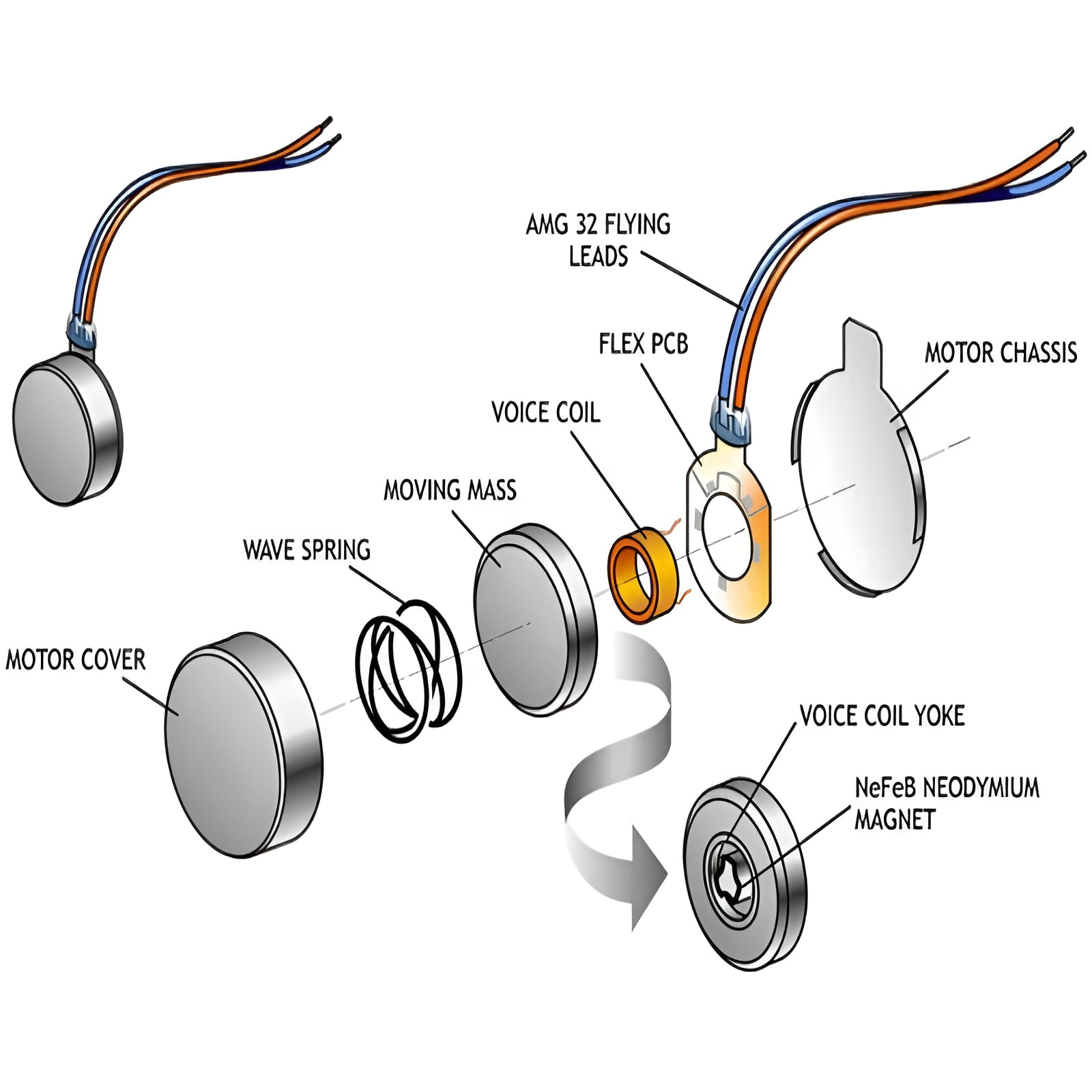
In addition to audio applications, neodymium magnets play a critical role in the motors used within wearable devices. Take the smartwatches, for example—neodymium magnets power the vibration motors that send haptic feedback or notifications to users. Their exceptional efficiency allows these motors to run on minimal energy, extending battery life and enhancing the overall user experience. With wearable devices increasingly being designed to offer longer battery life and more sophisticated features, excellent quality neodymium magnets are becoming indispensable.
The surge in wearable tech adoption, driven by advancements in health tracking, fitness monitoring, and even augmented reality, is pushing the demand for these strong, tiny magnets even higher. Manufacturers are constantly seeking ways to make devices smaller, more powerful, and more user-friendly, and neodymium magnets are often the solution. These magnets help to keep wearable devices not only functional but also sleek and lightweight, which is essential for the growing market.
Specializing in the production of high-precision neodymium magnets, we provide customized solutions that cater to the exacting demands of wearable devices. Whether it's adjusting size, shape, or coating, we ensure our magnets enhance performance, durability, and energy efficiency—all while keeping your products as compact as possible.
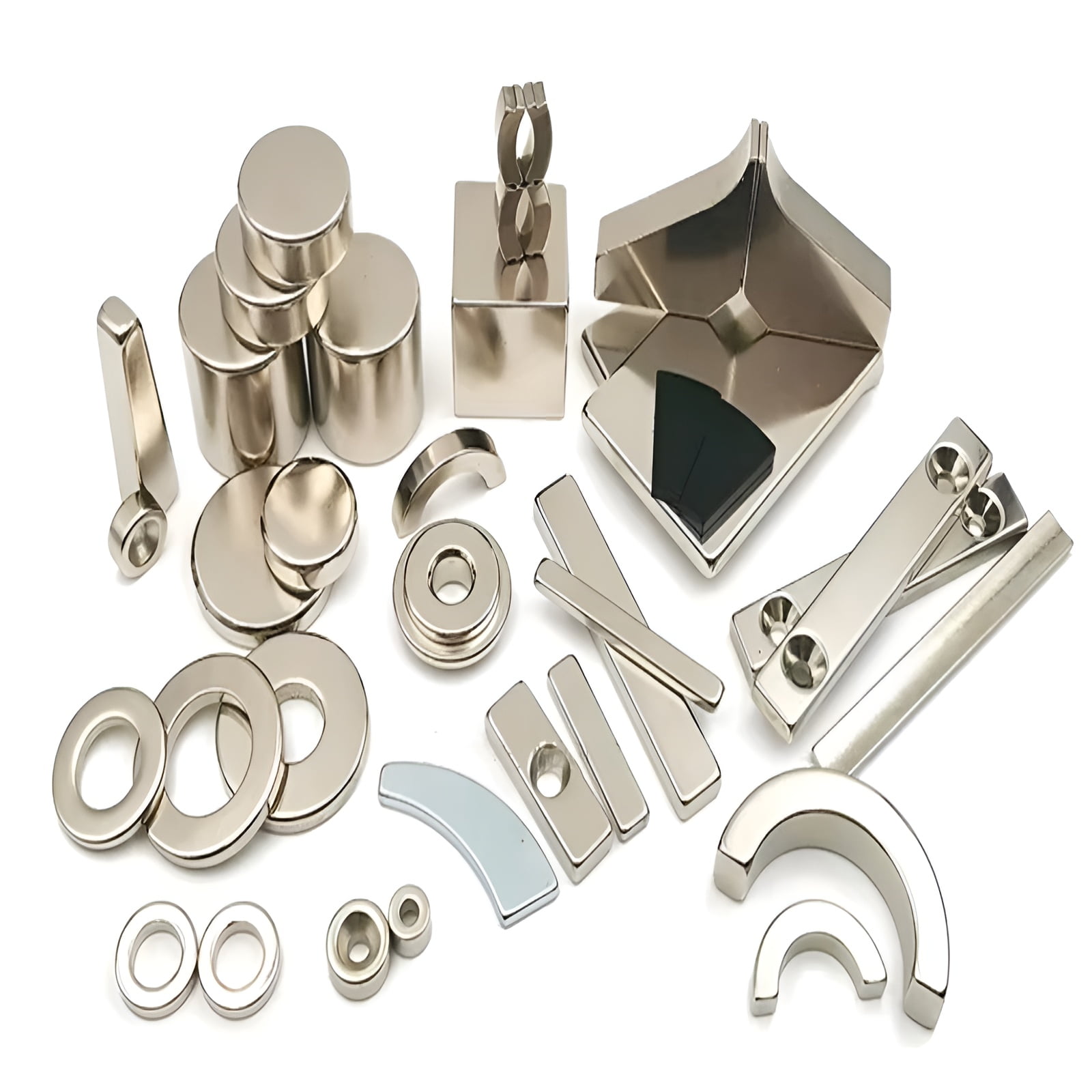
Looking ahead, the role of professional customized neodymium magnets in wearable technology will only continue to grow. As wearable devices become more advanced, these magnets will remain at the core of innovation. With their superior strength and small footprint, neodymium magnets are set to drive the next wave of wearable technology, pushing the boundaries of what's possible and making everyday life smarter, more efficient, and more connected.
High quality neodymium magnets, often regarded as the strongest magnets in the world, are a vital component in many industries. However, their exceptional properties have given rise to numerous myths and misconceptions. In this article, we’ll debunk some common myths and uncover fascinating facts about these powerful magnets.
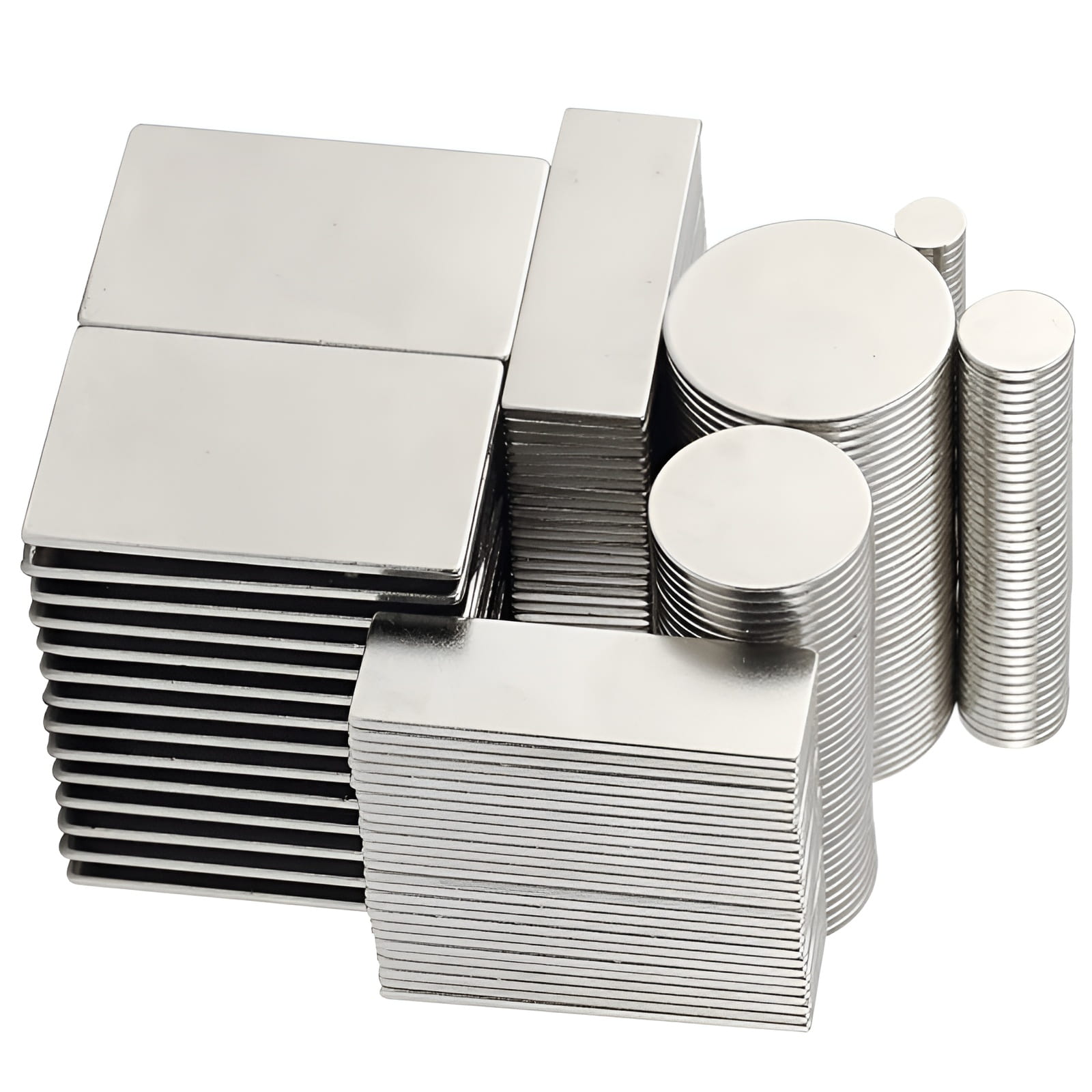
Myth 1: Neodymium Magnets Lose Their Strength Quickly
One of the most widespread misconceptions about neodymium magnets is that they lose their magnetic strength over time. In reality, these magnets boast excellent resistance to demagnetization due to their high compulsory. Even after decades of use, under normal conditions, a neodymium magnet will retain nearly all of its original strength. The key lies in their robust crystal structure, which resists changes in magnetic alignment. However, exposure to extremely high temperatures or strong opposing magnetic fields can cause a loss in magnetism, but this is avoidable with proper handling and storage.
Myth 2: Neodymium Magnets Are Too Fragile for Industrial Use
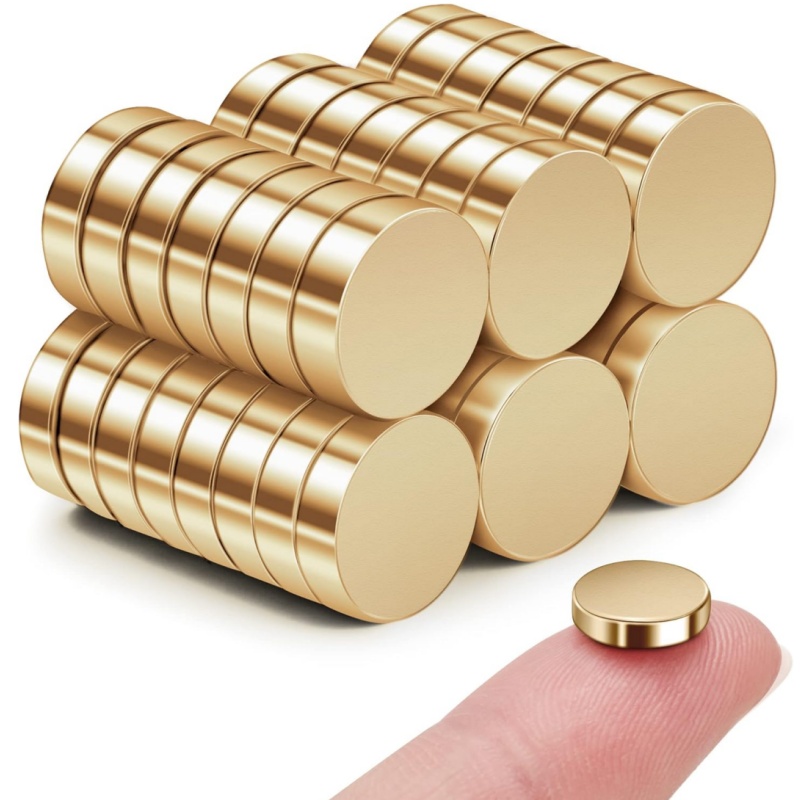
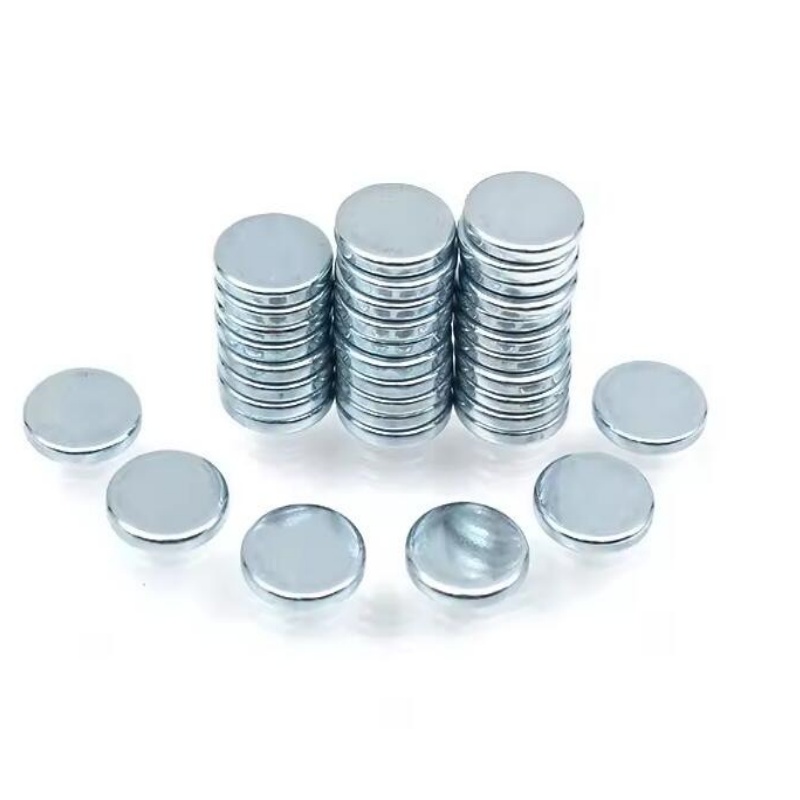
While it’s true that rare earth neodymium magnets can be brittle, this doesn’t make them unsuitable for industrial applications. Manufacturers have developed various coating technologies, such as nickel, epoxy, or gold, to enhance their durability and protect against chipping and corrosion. Additionally, advancements in alloying techniques have improved the mechanical strength of these magnets, making them reliable even in demanding environments like automotive motors, wind turbines, and medical devices.
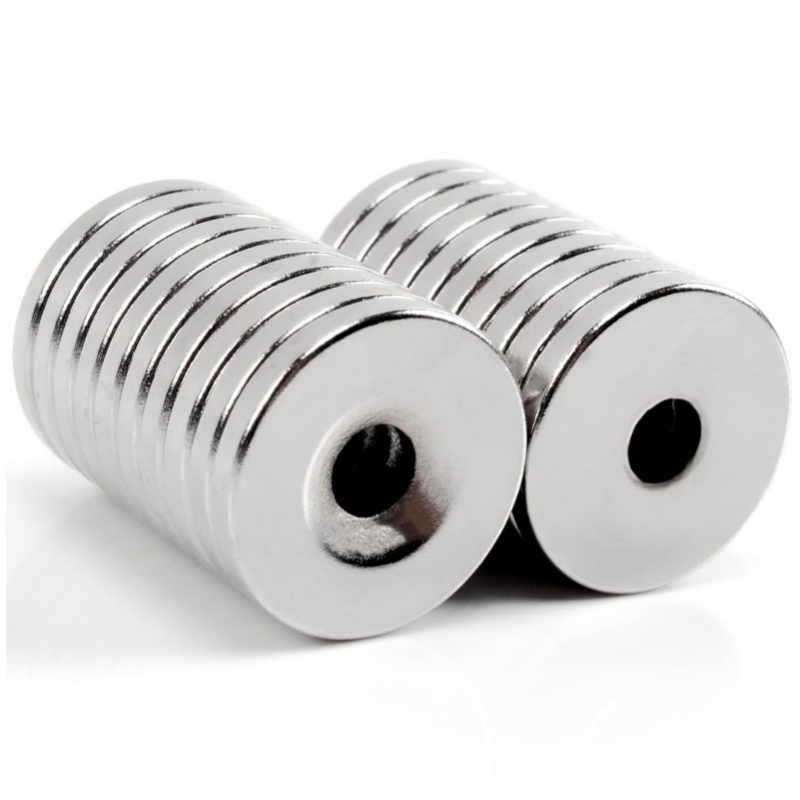
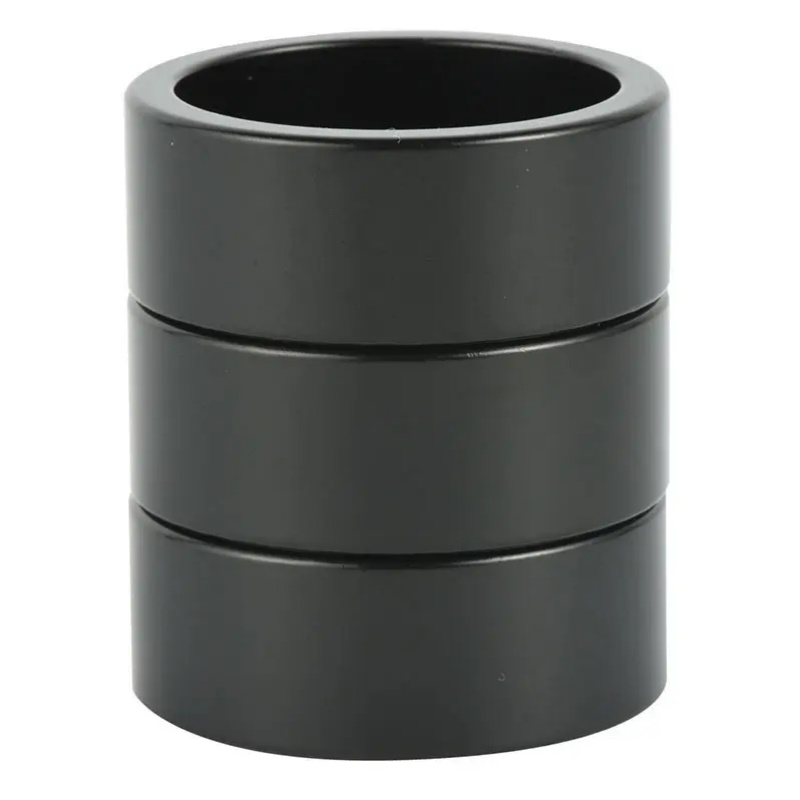
Fascinating Facts About Neodymium Magnets
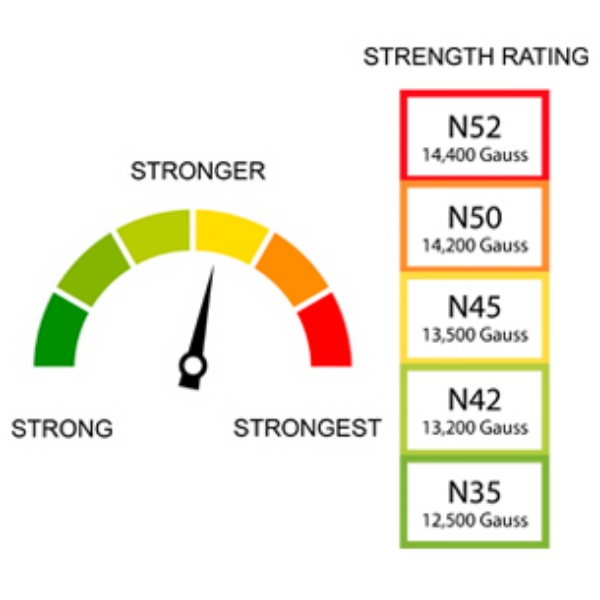
1. Strength Beyond Compare: Neodymium magnets are up to 10 times stronger than conventional ceramic magnets. Their exceptional magnetic energy makes them ideal for applications requiring compact, high-performance magnets.
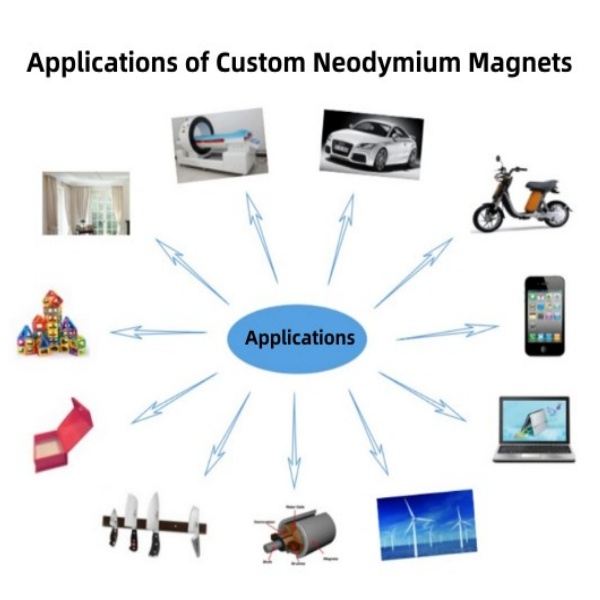
2. Diverse Applications: These magnets are not just for industrial use. They’re commonly found in everyday items like earbuds, smartphone speakers, and magnetic jewelry.
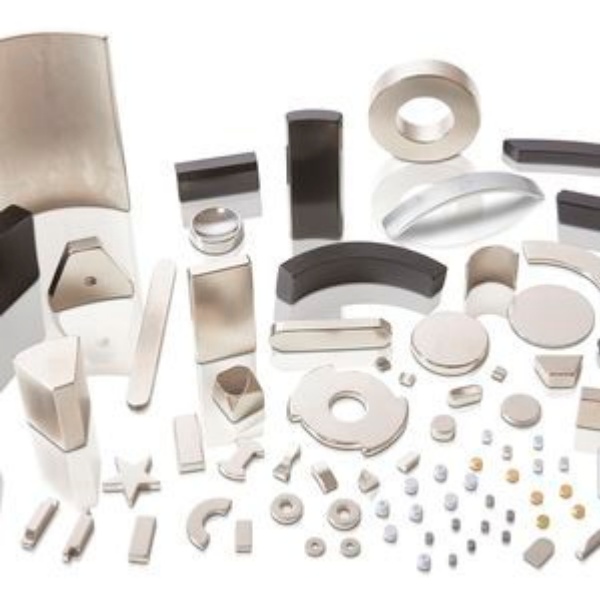
3. Size Variability: Customized neodymium magnets come in all shapes and sizes. Some are as small as a grain of rice, used in miniature devices, while others are large enough to lift cars in scrap yards.
4. Magnetic Curiosities: Due to their incredible strength, neodymium magnets are often used in creative experiments and tricks, such as magnetic levitation demonstrations or DIY Air skateboard.

Conclusion
Neodymium magnets are a blend of science and innovation, but myths surrounding them can often obscure their true potential. By understanding their properties and debunking common misconceptions, we can appreciate their vital role in modern technology. Whether it’s in industrial machinery, green technology, or everyday gadgets, neodymium magnets continue to be indispensable and fascinating components of our world.
- Automotive Engine Rubber Parts8
- Automotive Lamps Rubber Parts5
- Automotive Suspension Rubber Parts2
- Automotive Wiring Harness Rubber Parts3
- Extrusion Sealing Strip1
- GEO8
- Industrial Electrical Rubber Parts3
- Industrial Scanners2
- Industrial electrical control3
- Industrial magnet accessories2
- Industrial slings4
- Machine Tool Blades1
- Membrane Products1
- Motor1
- Racecource Rubber Products3
- Rubber Forklift Attachments1
- Rubber and plastic Parts1
- Seal2
- Tubular Motor2
- blade1
- brush1
- chip1
- industrial hose1
- lens1
- mold1
- plc3
- pump2
- racking2